The big kid parenting quiz
Updated · Free · no sign-up · your answers stay on this device
Ten everyday moments with a big kid (6 to 10 years). Pick what you would do, then see what the guidance says.
How to
- Pick what you would do. Each moment has four things a parent might do. Tap the one closest to you.
- Read what the guidance says. Right after each answer: what public health and paediatric guidance says, and a link to the page it comes from.
- See your result. Your percentage, what you already do, one or two things worth trying this week, and a storybook for the moment. In a hurry? Skip any moment.
The ten moments, and what the guidance says
Each moment has four things a parent might do. The one the guidance recommends is marked, and under it is what the guidance says and where it comes from.
1. Your eight-year-old says a classmate keeps calling them names and pushing them at break time.

- Tell them to keep away from that child and just ignore it; it will stop.
- Recommended: Hear them out, say it’s not their fault, practise replies. Tell school if it lasts.
- Tell them to push back hard next time. Bullies stop when you stand up.
- Email the head teacher tonight, before you’ve talked it all through with them.
What the guidance says: Listen calmly, believe your child and tell them it is not their fault. Practise what to say and which adult to tell, and work with the school if it carries on. Never tell them to fight back.
Sources: American Academy of Pediatrics, Why Bullying Hurts All Children—and What Parents Can Do About It (6 Nov 2025); StopBullying.gov (US Department of Health and Human Services), Support the Children Involved (19 May 2026)
2. Your nine-year-old has been taking the tablet to bed and is tired every morning.
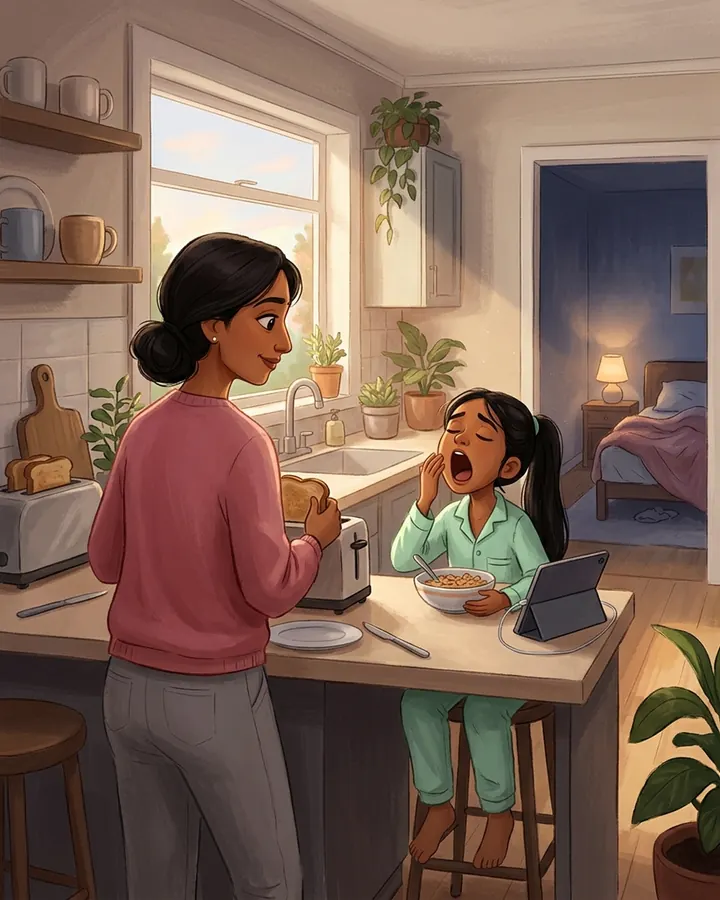
- Recommended: Screens off an hour before bed, and devices sleep in the kitchen.
- Let them keep it in bed if they promise to turn it off at a sensible time.
- Let them keep the tablet by the bed overnight, since it’s their alarm.
- Take the tablet off them at lights out, and give it back in the morning.
What the guidance says: Turn screens off at least an hour before bed, and keep phones, tablets and TVs out of the bedroom at night. Screens late in the evening can keep children awake.
Sources: American Academy of Pediatrics, Healthy Sleep Habits: How Many Hours Does Your Child Need? (7 Aug 2026); Canadian Paediatric Society, Screen time and preschool children: Promoting health and development in a digital world (24 Nov 2022); UK government, Best Start in Life, Screen time guidance for under 5s (29 Jun 2026)
3. Your seven-year-old has to be up at 6:45 for school, but is often not asleep until after 10.
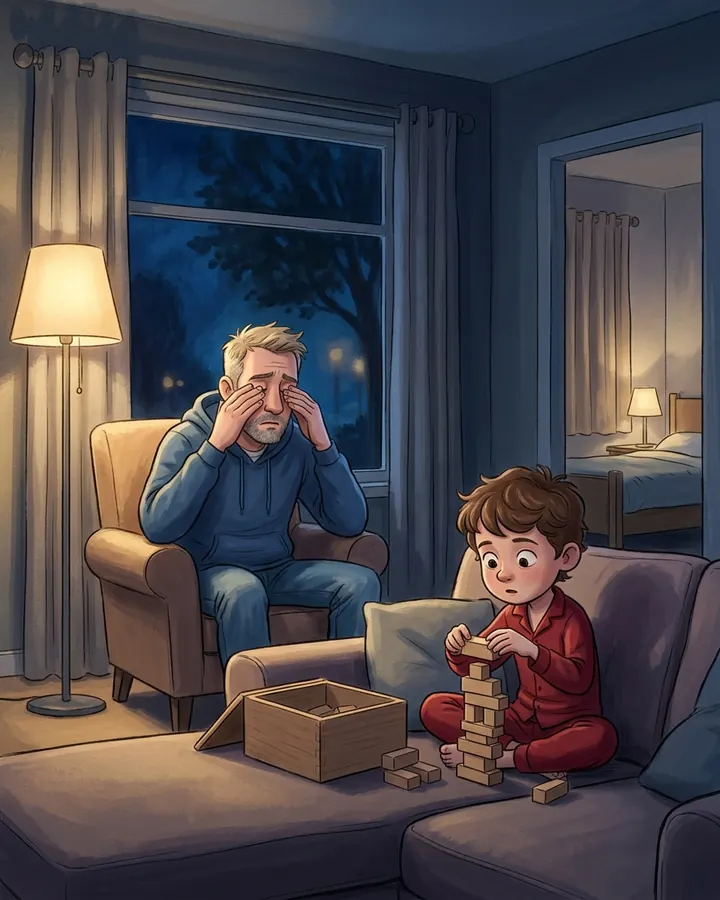
- Make bedtime earlier on school nights, and let it slide at weekends.
- Let them go to bed when they feel tired. They know their own body.
- Recommended: Move bedtime earlier, a bit at a time, so they’re asleep by about 9.
- Keep the evening clubs going. They love them, and can rest at weekends.
What the guidance says: Children aged 3 to 5 need about 10 to 13 hours of sleep a day, naps included, and 6- to 12-year-olds about 9 to 12. Set bedtime by counting back from the time they have to get up.
Sources: CDC, About Sleep (15 May 2024); American Academy of Pediatrics, Healthy Sleep Habits: How Many Hours Does Your Child Need? (7 Aug 2026); NHS, Helping your baby to sleep (28 Jan 2025)
4. Your nine-year-old comes home from school and spends most afternoons on the sofa with a screen.
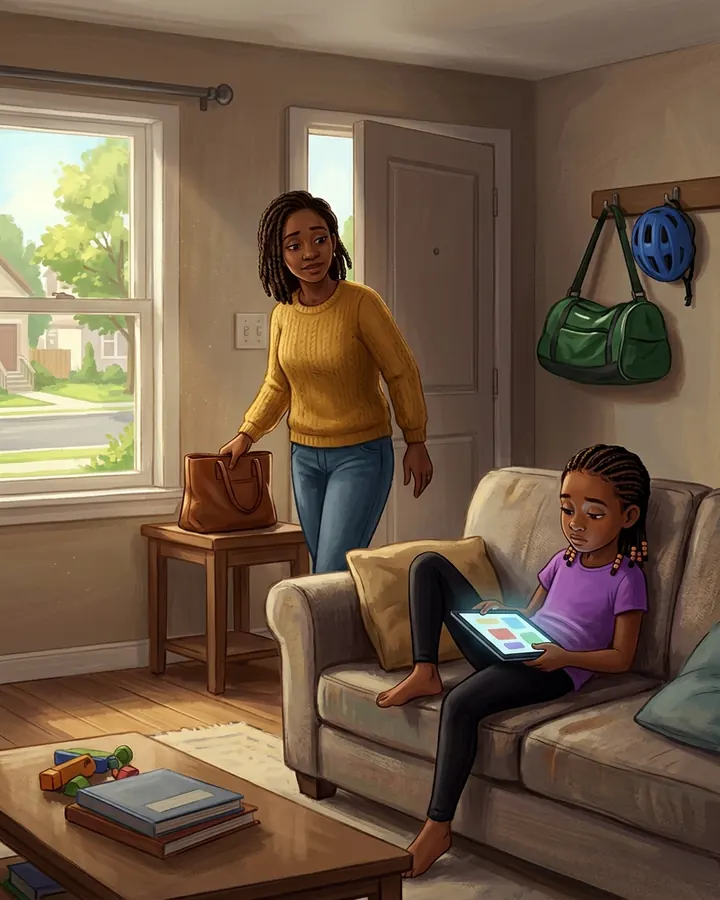
- Plan a big active day out at the weekend, to make up for the week.
- Let it be. They have PE at school twice a week, and that’s enough.
- Let them unwind on the sofa. School is tiring, and they’ve earned it.
- Recommended: An active hour every day: a bike ride, the park, or a sport they love.
What the guidance says: Children aged 6 and up need at least an hour a day of activity that makes the heart beat faster, like running, cycling or active games, plus climbing or jumping on a few days a week.
Sources: World Health Organization, Every move counts towards better health – says WHO (25 Nov 2020); CDC, Child Activity: An Overview (4 Dec 2025); Canadian Society for Exercise Physiology, Canadian 24-Hour Movement Guidelines for Children and Youth (5-17 years) (undated page)
5. Your ten-year-old rolls their eyes and slams the door after you ask them to tidy up. You are furious.
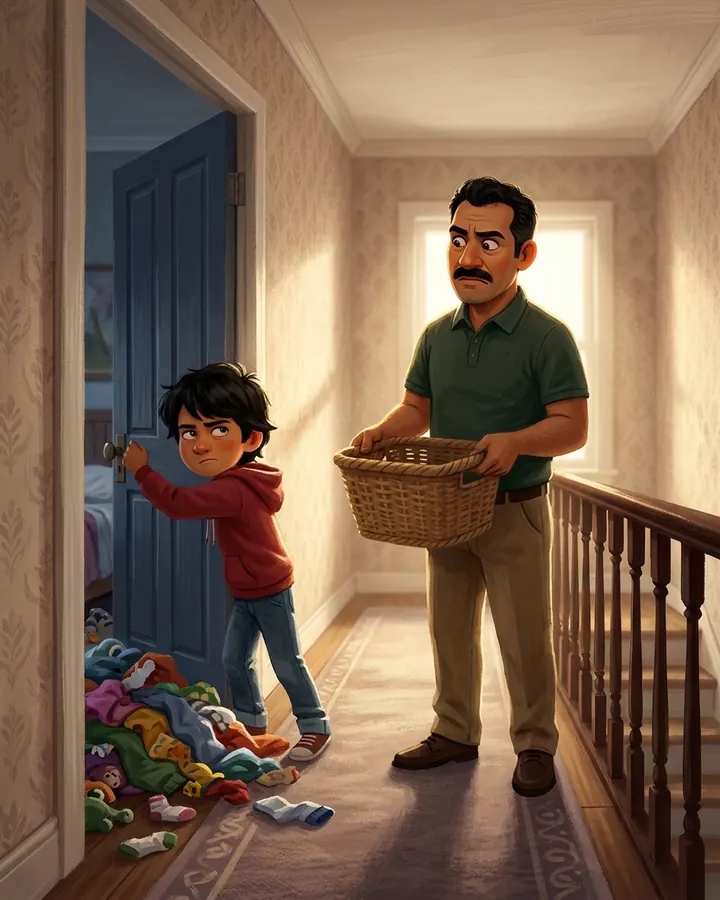
- Follow them up and shout through the door until they start tidying.
- Go straight up and tell them firmly, still furious, to tidy it now.
- Recommended: Take a few minutes alone to cool down, then talk to them about the door.
- Do the tidying yourself. It’s not worth the fight tonight.
What the guidance says: Yelling, name-calling and shaming do not work and can harm, even from parents who are warm and loving. When you feel your temper rising, pause and calm down first, then speak quietly and firmly.
Sources: American Academy of Pediatrics, What's the Best Way to Discipline My Child? (5 Nov 2018); American Academy of Pediatrics, Effective Discipline to Raise Healthy Children (policy statement, abstract) (5 Nov 2018); CDC, Tips for Noticing and Naming Emotions (Essentials for Parenting Toddlers and Preschoolers) (30 Apr 2026)
6. You agreed the games console goes off at 6. At 6:20, your eight-year-old is still playing and ignoring you.
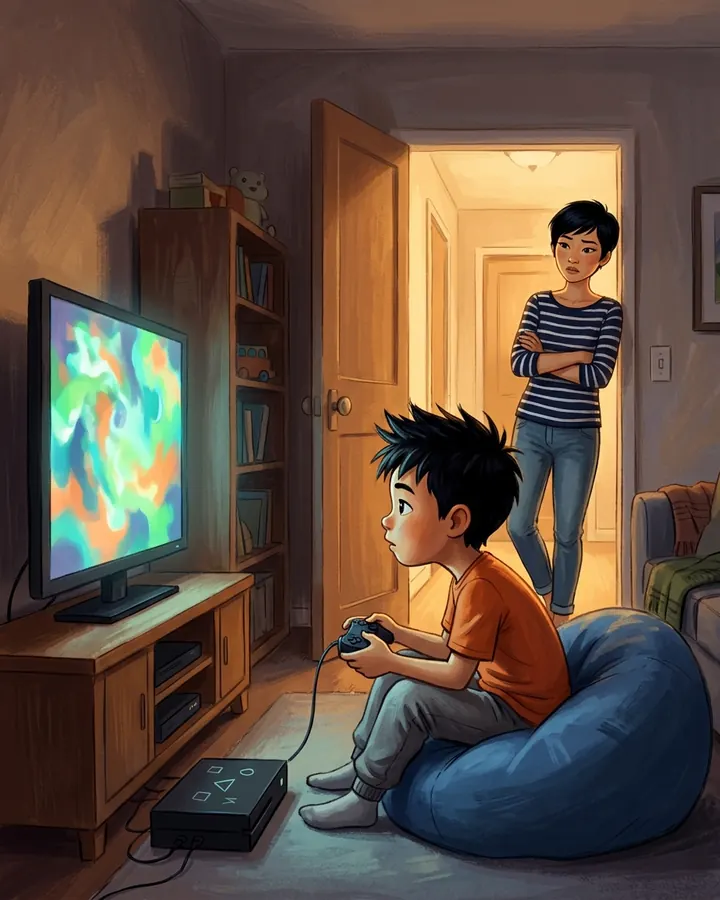
- Recommended: Switch it off, as agreed, and say it’s off at 6 tomorrow too.
- Give one final warning, and switch it off yourself if they don’t stop.
- Say “five more minutes” again, for the third time this evening.
- Tell them you’ll sell the console if this happens one more time.
What the guidance says: Keep a few clear rules, warn once, and carry out the consequence you named, calmly, every time. Never take away something your child truly needs, such as a meal.
Sources: CDC, Tips for Relying on Routines and Rules (Essentials for Parenting Toddlers and Preschoolers) (30 Apr 2026); American Academy of Pediatrics, What's the Best Way to Discipline My Child? (5 Nov 2018); CDC, How to Use Time-Out (Essentials for Parenting Toddlers and Preschoolers) (30 Apr 2026)
7. Your seven-year-old and nine-year-old are arguing in the garden over the rules of a game. Nobody is hurt.
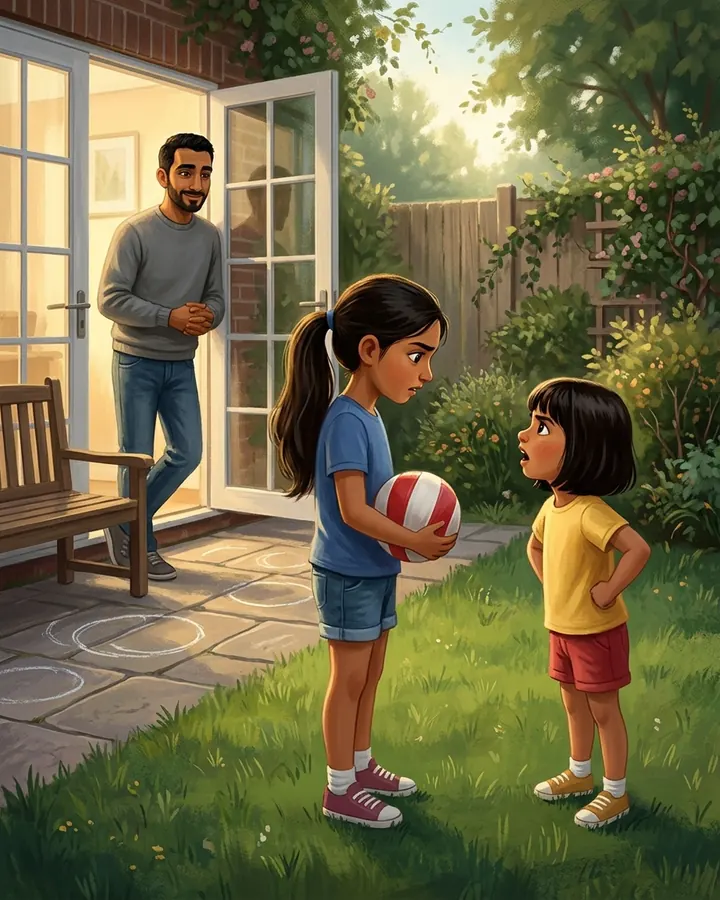
- Find out who started it, and send that one inside to cool off.
- Go straight out and decide the rules for them, so it’s over quickly.
- Tell the nine-year-old to let the little one win, just this once.
- Recommended: Let them try to sort it out, and stay nearby in case it gets heated.
What the guidance says: Let small squabbles play out, but step in when someone is hurt or it is not working. Stay calm, do not take sides, hear each child out, and help them find a fair solution together.
The evidence here is thinner. Advice from the AAP, plus one small trial in which parents trained to mediate saw their 5- to 10-year-olds handle fights better.
Sources: American Academy of Pediatrics, Sibling Relationships: How to Help Your Kids Build Healthy Bonds (6 Apr 2026); American Academy of Pediatrics, What's the Best Way to Discipline My Child? (5 Nov 2018); Child Development (Smith and Ross), Training parents to mediate sibling disputes affects children's negotiation and conflict understanding (May 2007)
8. Your eight-year-old is invited to a birthday party but begs to stay home because they will not know anyone.
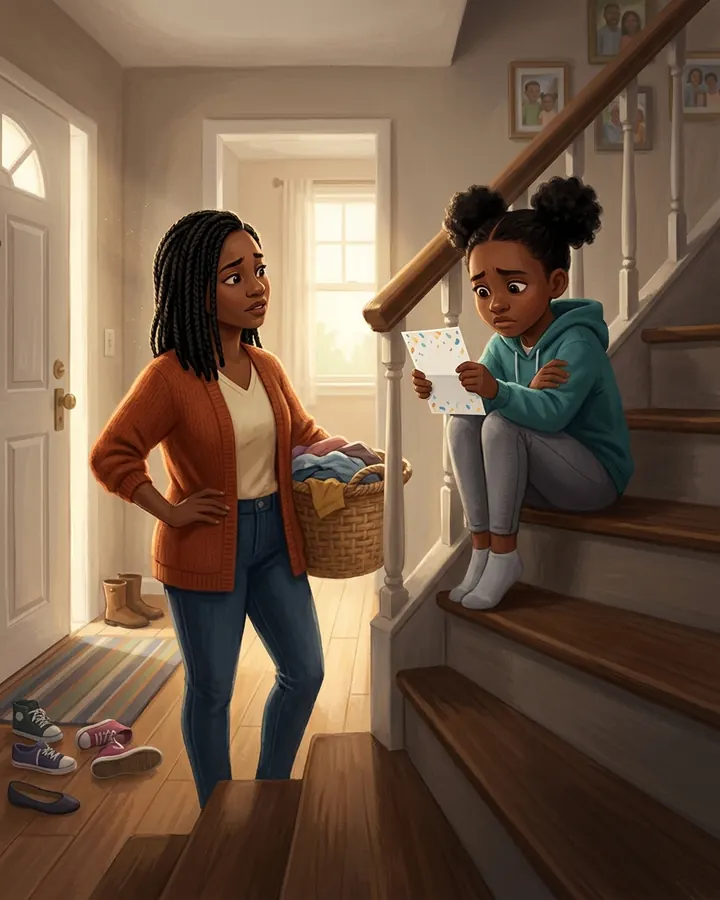
- Tell them there’s nothing to worry about, and get on with the day.
- Recommended: Hear them out, then make a plan: you could stay for the first half hour.
- Drop them at the door with a big cheery wave, without talking about it.
- Say they can skip it. If parties feel like this, they never need to go.
What the guidance says: Listen and take the worry seriously, without brushing it off. Then make a plan together, such as a friend or trusted adult being there. Try not to be overprotective: always avoiding what worries them may keep the worry going.
The evidence here is thinner. NHS advice. The point about avoiding comes from research in children aged 7 to 14 with anxiety disorders, not everyday worries.
Sources: NHS, Anxiety in children (5 Aug 2026); J Am Acad Child Adolesc Psychiatry (Lebowitz and others), Parent-based treatment as efficacious as cognitive-behavioral therapy for childhood anxiety: the SPACE trial (7 Mar 2019)
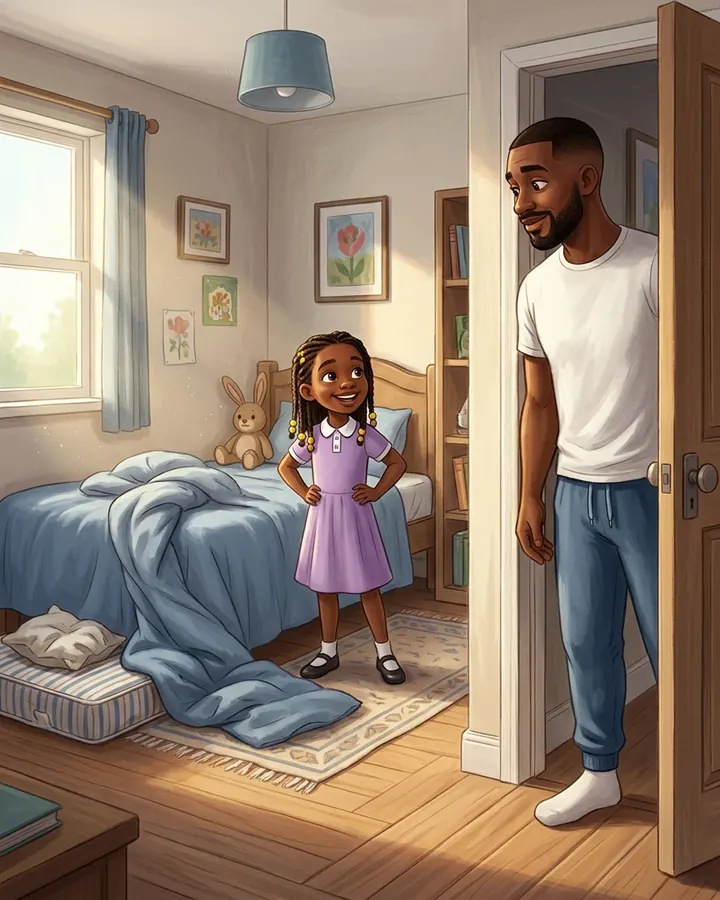
9. Your seven-year-old made their bed this morning, but it is lumpy and the cover is half on the floor.
- Make the beds yourself from now on. It’s quicker and done properly.
- Point out what’s wrong, and remake it properly while they watch.
- Say nothing today, then keep on at them tomorrow until it’s done right.
- Recommended: Thank them for doing it alone, and show them one trick for next time.
What the guidance says: Give your child regular jobs that suit their age, at the same time each day. Show them how, expect it to be less than perfect, and praise the effort rather than the result.
The evidence here is thinner. Expert advice from the AAP; no other body we read speaks to it.
Sources: American Academy of Pediatrics, Age-Appropriate Chores for Children (9 Feb 2024)
10. Before a sleepover, your seven-year-old asks: "What if a grown-up tells me to keep a secret?"
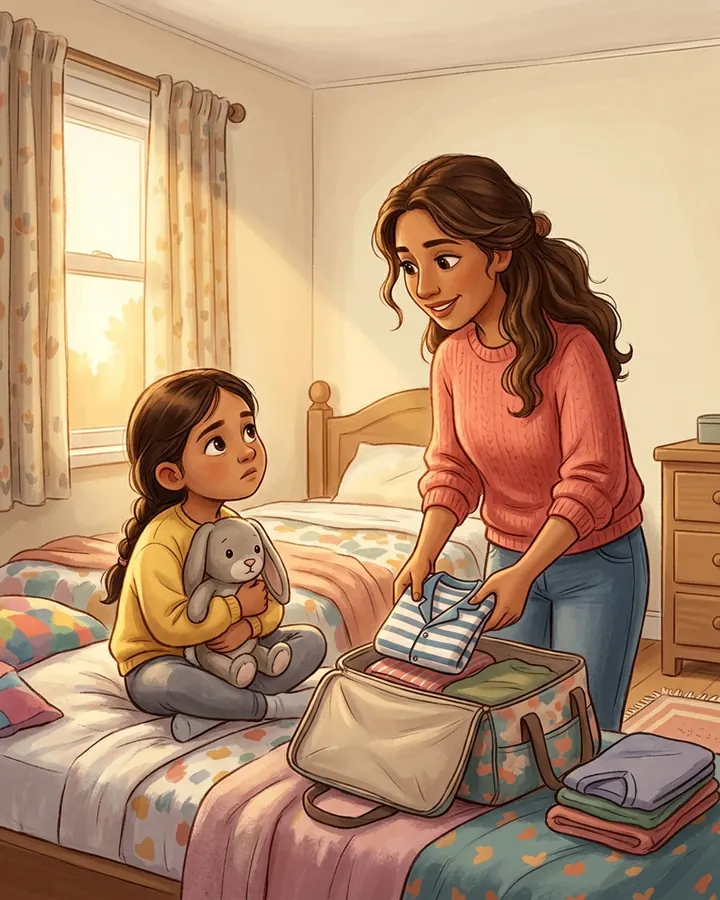
- Remind them never to talk to, or go off anywhere with, a stranger.
- Recommended: Say surprises are fine, but any other secret, they always tell you.
- Say that won’t happen with people we know, and change the subject.
- Say a promise to a grown-up is a promise, and it’s kind to keep it.
What the guidance says: Use the real names for body parts, teach that they can say no to touches and hugs, and explain that surprises are fine to keep, but any other secret is told to a trusted adult. They will never be in trouble for telling.
The evidence here is thinner. Advice from the AAP, which calls teaching body autonomy a promising approach rather than a proven one.
11. Your nine-year-old asks for more screen time on school days. Their friends' families all have different rules.
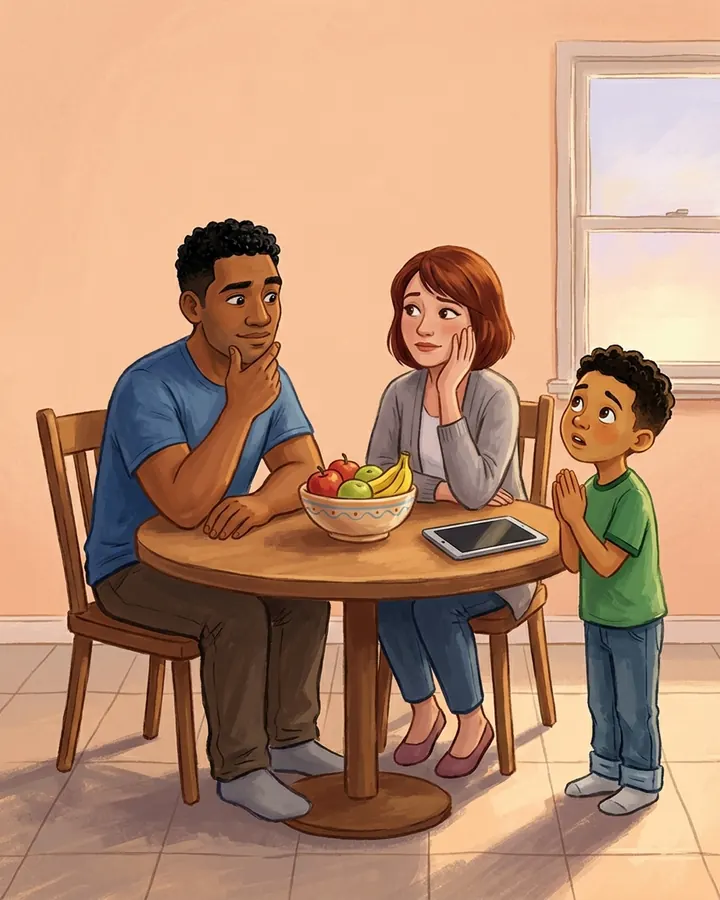
More than one good answer. Canada's movement guidelines say no more than 2 hours of fun screen time a day from age 5. The AAP has moved beyond hour limits to the 5 Cs: the child, content, calm, crowding out and communication.
- A good answer: Keep meals, homework and the hour before bed screen-free, and stay flexible.
- A good answer: Keep screens for after homework on school days, with more at weekends.
- A good answer: Make a family plan together for what screens must not crowd out.
- A good answer: Agree a daily limit, such as two hours of fun screen time on school days.
What the guidance says: Bodies differ on the number of hours. The habits are the place to start: devices out of the bedroom at night, screen-free meals, and enough time left for sleep, play, schoolwork and family.
Sources: Canadian Society for Exercise Physiology, Canadian 24-Hour Movement Guidelines for Children and Youth (5-17 years) (undated page); American Academy of Pediatrics, Kids & Screen Time: How to Use the 5 C's of Media Guidance (6 Jan 2026); American Academy of Pediatrics, Healthy Sleep Habits: How Many Hours Does Your Child Need? (7 Aug 2026); American Academy of Pediatrics, How to Make a Family Media Plan (20 Jan 2026)
General guidance from the bodies named, not medical advice. For your own child, ask your doctor or health visitor.
How the result works
- Your points: each moment is worth up to 10: 10 for what the guidance recommends, 7 for reasonable, 3 for common but often backfires, 0 for what the guidance says not to do. A moment you skip scores 0.
- Your percentage: your points out of the most you could score, so ten moments at 10 each make 100%.
- The moments you skipped: each with what the guidance recommends, so you still see what helps.
- You already do: the moments you answered as the guidance recommends.
- Worth trying this week: one or two small steps, each with its source.
- Your style, in one line: whether your answers lean warm, firm, both, or a mix.
Where the answers come from
Every answer is scored against public guidance from health and paediatric bodies, and each one links to the page it comes from, with the date printed on that page. Where the bodies disagree, the moment is not scored: it shows “more than one good answer”. Where the evidence is thinner (expert advice or small studies), the answer says so.
Most moments are painted; some show their four choices as words instead.
No doctor or psychologist has checked the quiz; the sources are there so you can read them yourself. General guidance from the bodies named, not medical advice. For your own child, ask your doctor or health visitor.
Questions
Who decides the scores?
The guidance does. Each answer is scored against what public bodies such as the NHS, the American Academy of Pediatrics and the CDC say, and every answer links to its source with the page’s date.
Has a doctor checked this quiz?
No. We wrote it from the published guidance and link every answer to the page it comes from, so you can read it yourself.
Is this medical advice?
No. It is general guidance from the bodies named. For your own child, ask your doctor or health visitor.
What happens to my answers?
They stay on this device. On a quiz a friend shared, only the points per question are sent, with no name and no answers, so the maker sees how friends did.
Why are some topics not scored?
Where the guidance bodies disagree, such as time-outs or sleep training, we show “more than one good answer” instead of a score.
How does making your own work?
Type a few moments and our AI writes the questions from our checked guidance. You choose which to keep, then share a link. Scores still come from the guidance.
Is it free?
Yes. Taking and sharing the quizzes is free with no sign-up. Making your own is one a day without an account and five a day with a free one.
Your answers stay on this device: the quiz is scored in your browser and nothing you pick is sent.
Explore storybooks: free illustrated storybooks in your family's language.
Enable JavaScript to take the quiz.