The toddler parenting quiz
Updated · Free · no sign-up · your answers stay on this device
Ten everyday moments with a toddler (1 to 3 years). Pick what you would do, then see what the guidance says.
How to
- Pick what you would do. Each moment has four things a parent might do. Tap the one closest to you.
- Read what the guidance says. Right after each answer: what public health and paediatric guidance says, and a link to the page it comes from.
- See your result. Your percentage, what you already do, one or two things worth trying this week, and a storybook for the moment. In a hurry? Skip any moment.
All 26 moments, and what the guidance says
Each play deals ten of these 26 moments, new ones first, so playing again brings moments you have not met yet. Each moment has four things a parent might do. The one the guidance recommends is marked, and under it is what the guidance says and where it comes from.
1. Your two-year-old is on the supermarket floor, screaming for the sweets at the checkout.

- Hold them close and firm on the floor until the screaming passes.
- Calmly buy the sweets this once, so you can both get out of the shop.
- Say “Bye then, I’m going!” and start walking slowly toward the door.
- Recommended: Crouch beside them and calmly wait it out. Name the feeling after.
What the guidance says: Tantrums are normal. Stay calm, keep your child safe and wait it out. Do not give in to end it, or they learn tantrums work. Distraction helps as one starts. Afterwards, name the feeling and move on.
Sources: NHS, Temper tantrums (7 Nov 2022); American Academy of Pediatrics, Top Tips for Surviving Tantrums (21 Apr 2021); CDC, Tips for Redirecting your Attention (Essentials for Parenting Toddlers and Preschoolers) (30 Apr 2026); American Academy of Pediatrics, What's the Best Way to Discipline My Child? (5 Nov 2018)
2. At playgroup, your 18-month-old bites another child who grabbed their truck.
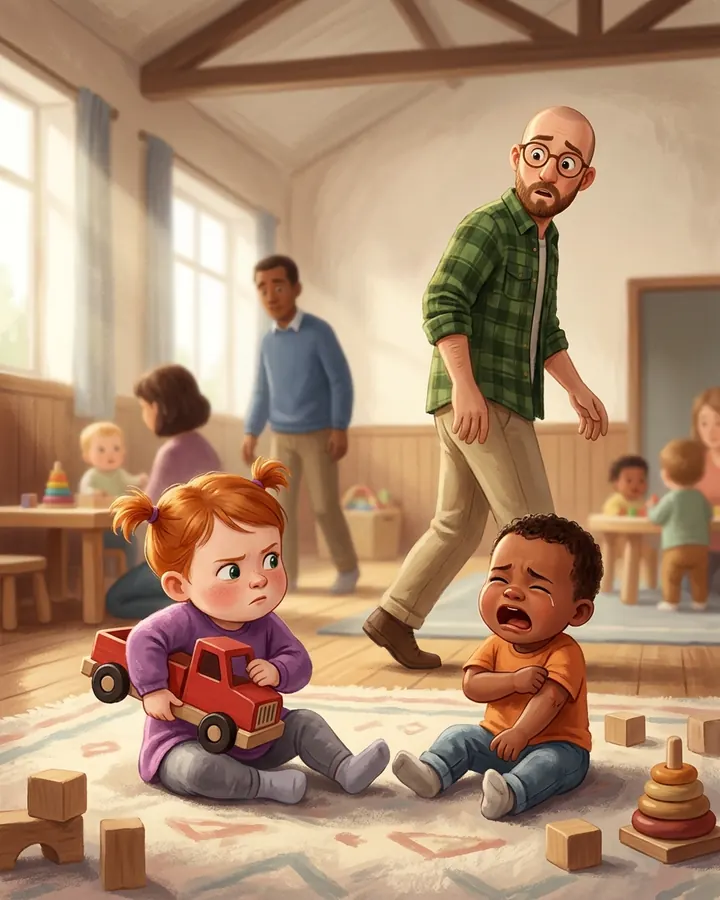
- Tell them off sharply: “Bad! We do NOT bite!” so they know it’s serious.
- Scoop them up and take them to another toy, without making a fuss.
- Recommended: Step in at once: “No biting. Biting hurts.” Then move them away a while.
- Let it go with a shrug. All toddlers bite, and it was their truck.
What the guidance says: Biting and hitting are common at this age. Stop it straight away, say calmly that it hurts and is not allowed, and move your child away. Never bite or hit back. Later, teach words to use instead.
Sources: American Academy of Pediatrics, Top Tips for Surviving Tantrums (21 Apr 2021); NHS, Temper tantrums (7 Nov 2022); American Academy of Pediatrics, 10 Tips to Prevent Aggressive Behavior in Young Children (25 Oct 2023); American Academy of Pediatrics, What's the Best Way to Discipline My Child? (5 Nov 2018)
3. You said no to a second biscuit. Your two-year-old screams, kicks the cupboard and drops to the kitchen floor.
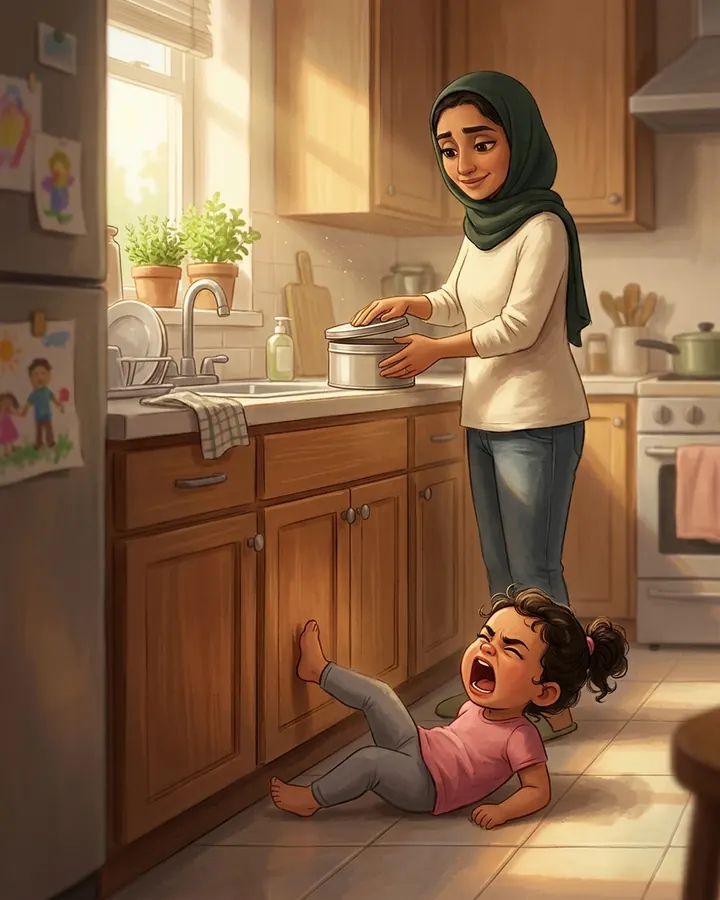
- Kneel down and explain, while they scream, why sugar is bad for teeth.
- Recommended: Say once, “You really wanted another. It’s still no,” and wait nearby.
- Say “Don’t be silly, it’s only a biscuit,” and get on with the dishes.
- Break off half a biscuit, just this once, so the screaming stops.
What the guidance says: When your child is upset, stay close and give the feeling a name: "You're sad the park is over." Accept the feeling, still hold the limit, and help find a next step once you are both calm.
Sources: CDC, Tips for Noticing and Naming Emotions (Essentials for Parenting Toddlers and Preschoolers) (30 Apr 2026); NHS, Temper tantrums (7 Nov 2022); Clinical Psychology Review (England-Mason and others), Emotion socialization parenting interventions targeting emotional competence in young children: a meta-analysis (20 Jan 2023)
4. At every visit, Grandma scoops up your baby, calls her “my little favourite”, and barely notices your two-year-old waiting to show her a drawing.

- Give your toddler extra cuddles and time at home, and let it go with Grandma.
- Say loudly in front of everyone: “You only ever have eyes for the baby!”
- Recommended: Admire the drawing with your toddler, and talk to Grandma about it another day.
- Tell your toddler, “The baby’s little, so Grandma fusses over her. Don’t let it bother you.”
What the guidance says: A child who doesn’t feel worthy is more sensitive to favouritism and comparisons. Help your child feel loved and valued with your own time and praise, and talk it over calmly with the relative later.
The evidence here is thinner. The pages speak to parents treating each child fairly, and to parents and grandparents talking calmly as a team; none speaks to a relative’s favourite directly.
Sources: Northern Territory Government (Australia), Sibling rivalry (undated page); Cleveland Clinic, Sibling Rivalry: Causes and Tips To Handle It (1 Sep 2026); Triple P (The University of Queensland), It will be grand! Team parenting for grandparents (4 Oct 2024); NHS, Temper tantrums (7 Nov 2022)
5. You gave a two-minute warning at the park. Now it’s time to go, and your two-year-old drops to the ground, screaming “No!”
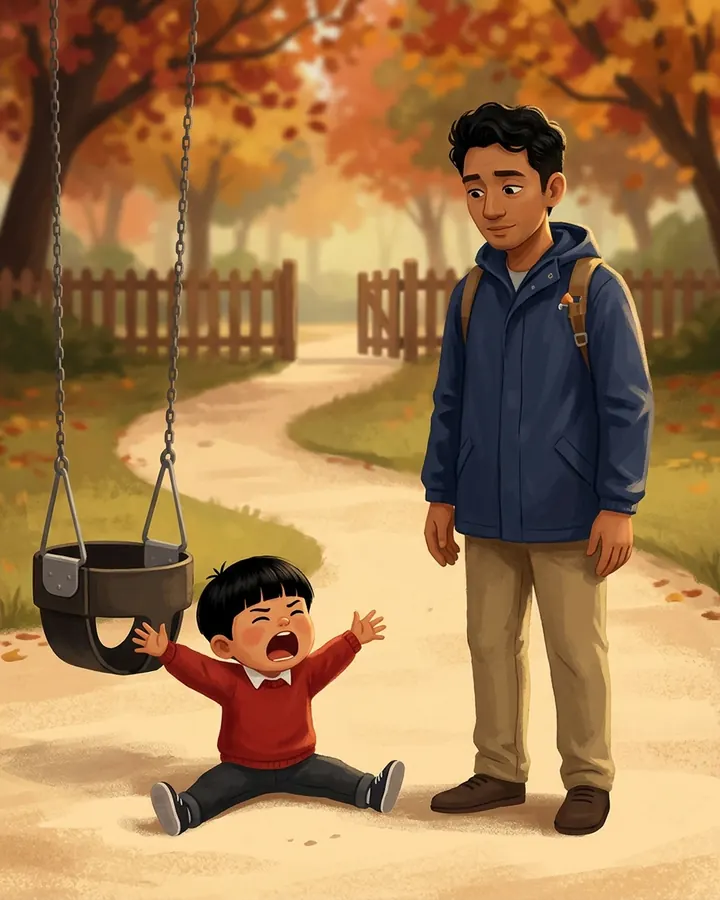
- Give them five more minutes on the swings, so they leave without a fight.
- Say “OK, I’m going home without you,” and walk off toward the gate.
- Sit down with them and explain all the reasons it’s time to go home.
- Recommended: Kneel, say “You wish we could stay. Time to go,” and carry them out.
What the guidance says: Stopping something fun is hard for young children. Warn them before it is time to go, then be kind and firm: name the feeling and go. More time after a tantrum, threats and scares all backfire.
Sources: Raising Children Network (Australia), Activity changes for kids: behaviour tips (1 Oct 2024); Raising Children Network (Australia), Tantrums: why they happen and how to respond (31 Mar 2025); American Academy of Pediatrics, 10 Tips to Prevent Aggressive Behavior in Young Children (25 Oct 2023); World Health Organization, Corporal punishment of children and health (11 May 2026)
6. It’s 5 pm. Your two-year-old missed their nap today, and now they whine, throw their toys and cry at every little thing.
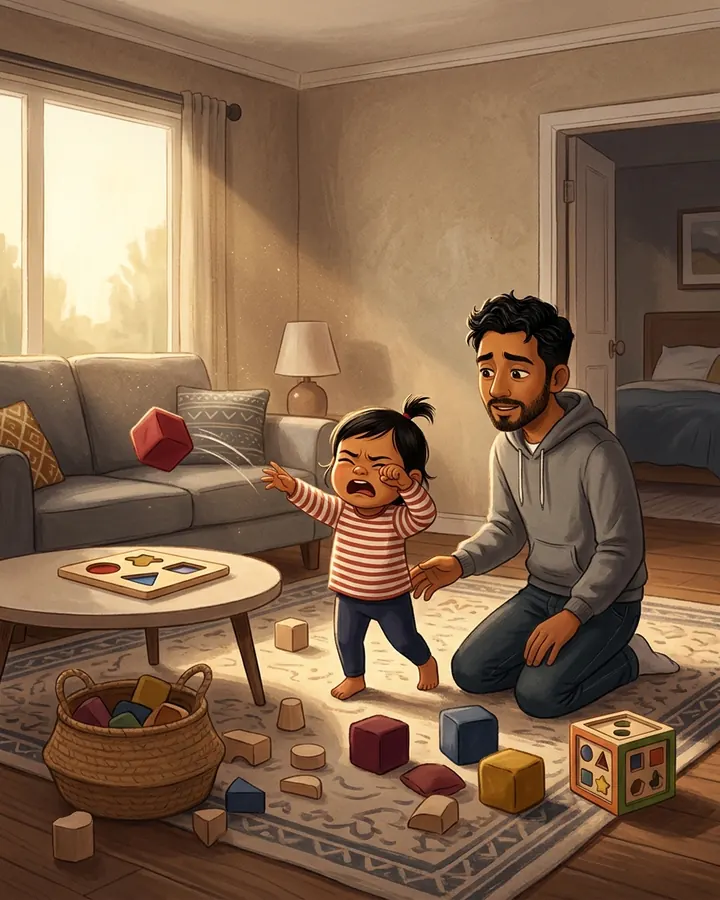
- Play a chasing game round the house, so they’re properly worn out.
- Keep them up a bit later tonight, so they sleep in tomorrow.
- Recommended: Dim the lights, put the toys away and start bedtime early.
- Keep them going till the usual bedtime with puzzles and books.
What the guidance says: Late-day crankiness is often tiredness, more so after a missed nap. Watch for tired signs, turn the noise and play down, and start a calm bedtime early, before they are overtired.
Sources: Raising Children Network (Australia), Tired signs in babies and toddlers (5 Apr 2024); Raising Children Network (Australia), Toddler sleep guide: schedules, routines, problems and FAQs (30 Jul 2026); American Academy of Pediatrics, Top Tips for Surviving Tantrums (21 Apr 2021); NHS, Temper tantrums (7 Nov 2022)
7. Your toddler pushes the dinner away and asks for plain pasta again.
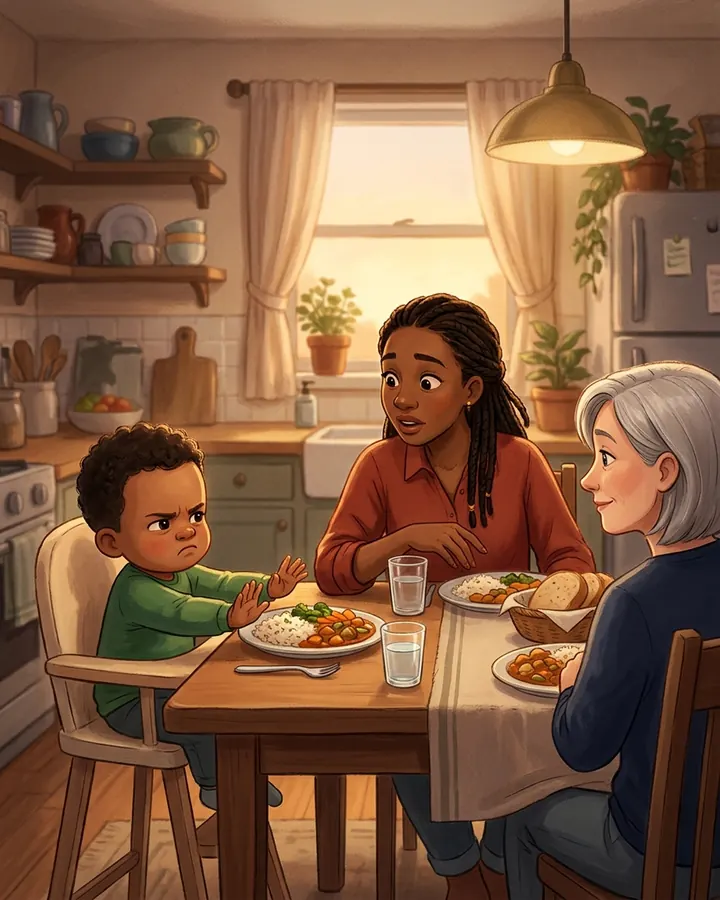
- Recommended: Serve the family meal with one food they like, and let them decide.
- Cook the plain pasta. At least they’ll go to bed with something inside.
- Keep them at the table until they’ve had a few more bites of dinner.
- Say they can have ice cream after, if they eat three more bites first.
What the guidance says: You decide what, when and where food is served; your child decides whether to eat and how much. Keep offering foods, with no pressure, no bribes and no second meal.
Sources: American Academy of Pediatrics, 10 Tips for Parents of Picky Eaters (26 Apr 2018); NHS, Fussy eaters (13 Nov 2023)
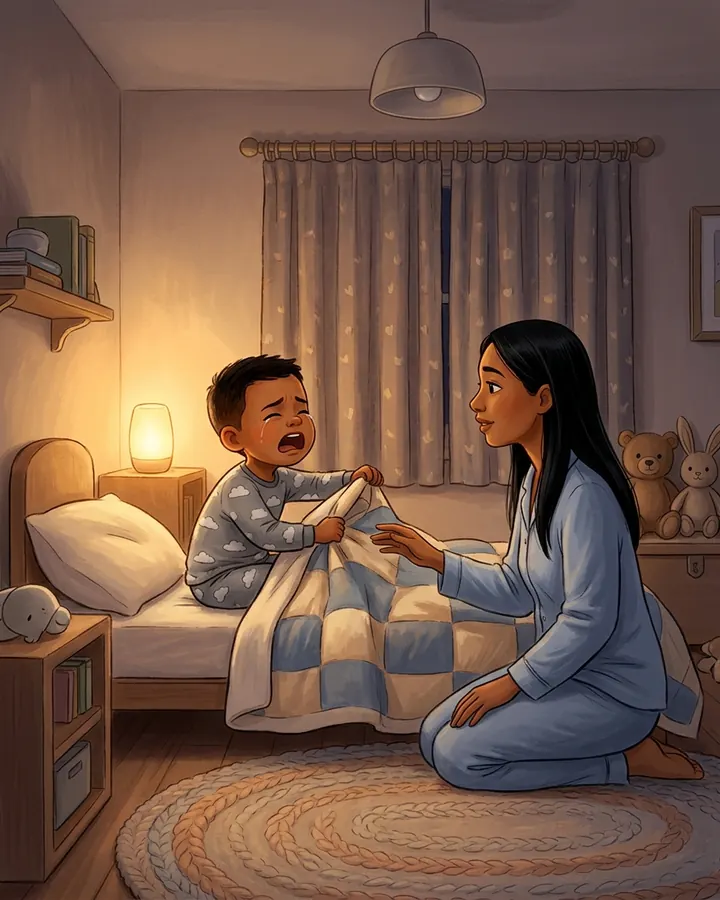
8. An hour after bedtime, your three-year-old sits up screaming, eyes wide open. They thrash about and don’t seem to know you.
- Wake them up gently but fully, so they know you’re there and feel safe.
- Pick them up, hold them tight and keep talking softly till they calm.
- Recommended: Stay calm and close, keep them from bumping into things, let it pass.
- Switch the light on and keep saying their name until they know you.
What the guidance says: In a night terror a child may scream and thrash with eyes open, yet is asleep and will not remember it. Stay calm, keep them safe, do not wake them, then tuck them back in.
Sources: NHS, Night terrors and nightmares (24 Nov 2025); American Academy of Pediatrics, Nightmares, Night Terrors & Sleepwalking in Children: How Parents Can Help (21 Sep 2023); Raising Children Network (Australia), Night terrors in children: how to handle them (22 Apr 2026); Canadian Paediatric Society, Helping children deal with their fears (Apr 2022)
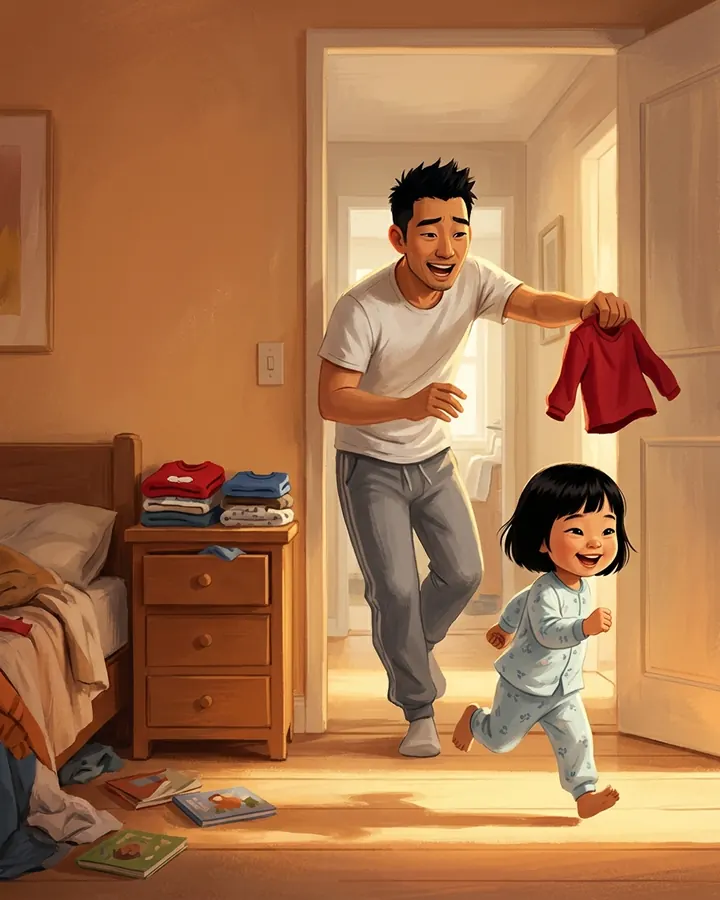
9. Every morning, getting dressed turns into a chase round the house with your two-year-old.
- Ask them nicely: “Shall we get dressed now?” and wait for a yes.
- Mid-chase, announce a new rule: dressed before breakfast from now on.
- Dress them whenever you can catch them, at a different time each day.
- Recommended: Same order every day, and two choices: “Red top or blue top?”
What the guidance says: Young children cope better when the day is predictable. Do things in the same order, explain changes when everyone is calm, and offer two small choices you are happy with: "Red cup or blue cup?"
Sources: CDC, Tips for Relying on Routines and Rules (Essentials for Parenting Toddlers and Preschoolers) (30 Apr 2026); American Academy of Pediatrics, Top Tips for Surviving Tantrums (21 Apr 2021)
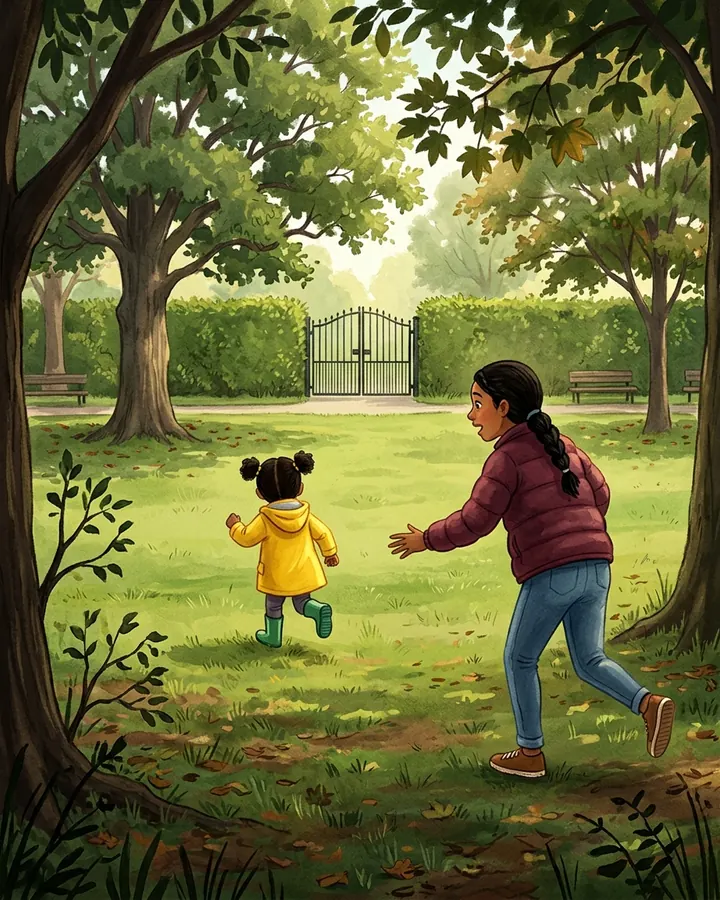
10. At the park, your three-year-old keeps running towards the gate by the road, even after you have said no twice.
- Warn them they’ll get a smack if they go near that gate one more time.
- Recommended: Hold their hand, say the rule again, and leave the park if they run again.
- Crouch down and explain again why the road is dangerous, then let them play.
- Give them a quick smack on the leg, so they remember the road is dangerous.
What the guidance says: Smacking and other physical punishment do not improve behaviour and are linked to more aggression and other harm over time. Teach instead: clear rules, calm consequences and praise for what goes well.
Sources: American Academy of Pediatrics, Effective Discipline to Raise Healthy Children (policy statement, abstract) (5 Nov 2018); World Health Organization, Corporal punishment of children and health (11 May 2026); Canadian Paediatric Society, Relationships matter: How clinicians can support positive parenting in the early years (30 Apr 2025); American Academy of Pediatrics, What's the Best Way to Discipline My Child? (5 Nov 2018)
11. You broke the banana in half to share it. Your two-year-old wails as if the world has ended: they wanted it whole.
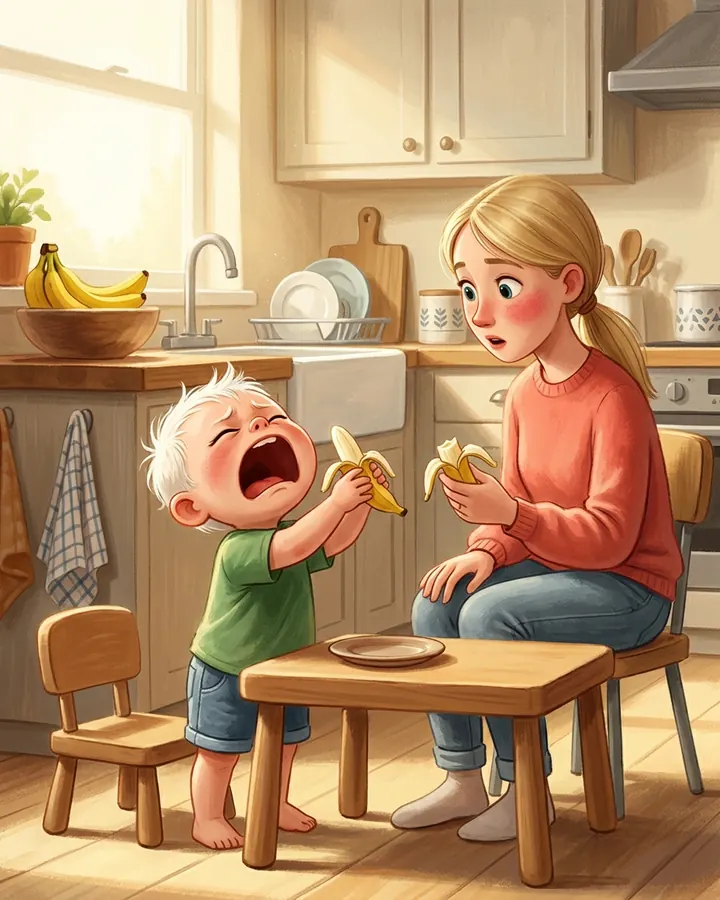
- Hold them firmly on your lap, and keep holding until the wailing passes.
- Quickly peel a fresh banana and hand it over whole, so the crying stops.
- Recommended: Stay close and let the wail pass. Then say: “You wanted it whole.”
- Tell them loudly: “It’s the same banana! Stop that noise right now.”
What the guidance says: Tantrums are normal. Stay calm, keep your child safe and wait it out. Do not give in to end it, or they learn tantrums work. Distraction helps as one starts. Afterwards, name the feeling and move on.
Sources: NHS, Temper tantrums (7 Nov 2022); American Academy of Pediatrics, Top Tips for Surviving Tantrums (21 Apr 2021); CDC, Tips for Redirecting your Attention (Essentials for Parenting Toddlers and Preschoolers) (30 Apr 2026); American Academy of Pediatrics, What's the Best Way to Discipline My Child? (5 Nov 2018)
12. Every time you sit down to feed the new baby, your two-year-old climbs on you and pushes the baby away.

- Recommended: Invite them to cuddle up beside you with a book while you feed.
- Put their favourite show on for every feed, so they stay busy and happy.
- Give them a quick hug, then carry on feeding. The baby needs you more now.
- Tell them they’re the big one now, and big ones don’t act like babies.
What the guidance says: An older child may feel jealous or act younger when a baby arrives; this is normal. Keep a little time each day just for them, include them in caring for the baby, and praise gentle hands.
The evidence here is thinner. Expert advice from the AAP; no other body we read speaks to it. The "no smacking" part rests on AAP policy.
Sources: American Academy of Pediatrics, Preparing Your Older Child for a New Baby: How to Help Siblings Adjust (10 Feb 2026); American Academy of Pediatrics, What's the Best Way to Discipline My Child? (5 Nov 2018); American Academy of Pediatrics, Kids & Screen Time: 5 C's Questions for Toddlers & Preschoolers (30 Apr 2024)
13. You turned the tablet off. Your two-year-old flies into a rage and starts hitting and kicking your legs, hard.
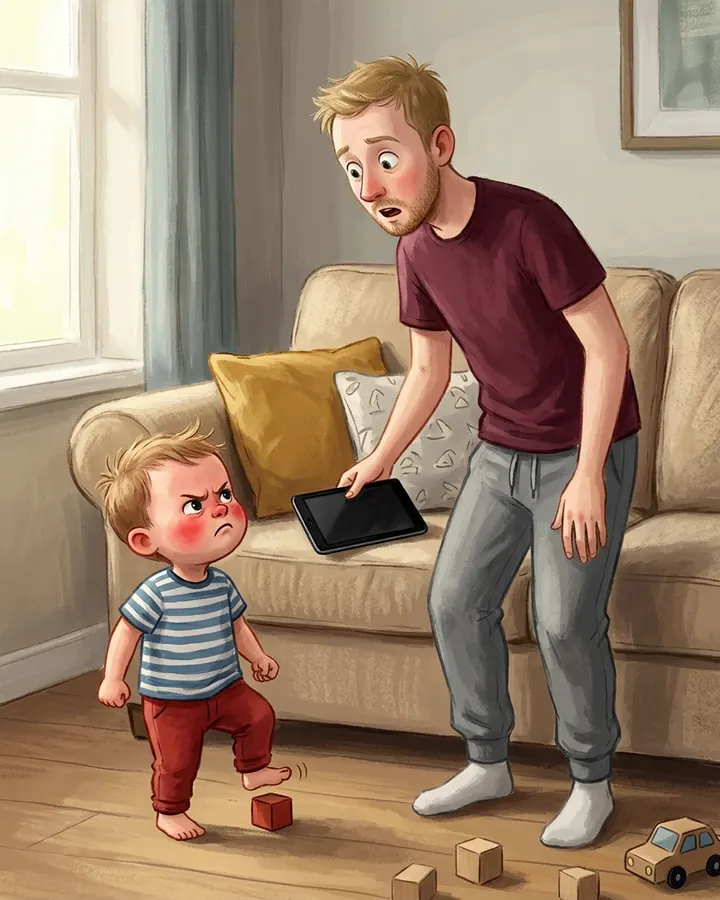
- Let the kicks go for now. It’s only a tantrum, and it’ll be over soon.
- Recommended: Catch their hands, say firmly “I won’t let you hit,” and step out of reach.
- Smack their hand once and say “See? That’s how hitting feels.”
- Kneel down and explain, while they rage, that hitting hurts and why.
What the guidance says: Hitting and kicking are common in toddler tantrums. Stop it at once: block it or move out of reach, and say firmly that you will not let them hurt you. Never hit back. Talk about it once they are calm.
Sources: NHS, Temper tantrums (7 Nov 2022); American Academy of Pediatrics, Top Tips for Surviving Tantrums (21 Apr 2021); American Academy of Pediatrics, What's the Best Way to Discipline My Child? (5 Nov 2018); Raising Children Network (Australia), Tantrums: why they happen and how to respond (31 Mar 2025)
14. Your toddler has played gently with their cousin all morning while you caught up on jobs.
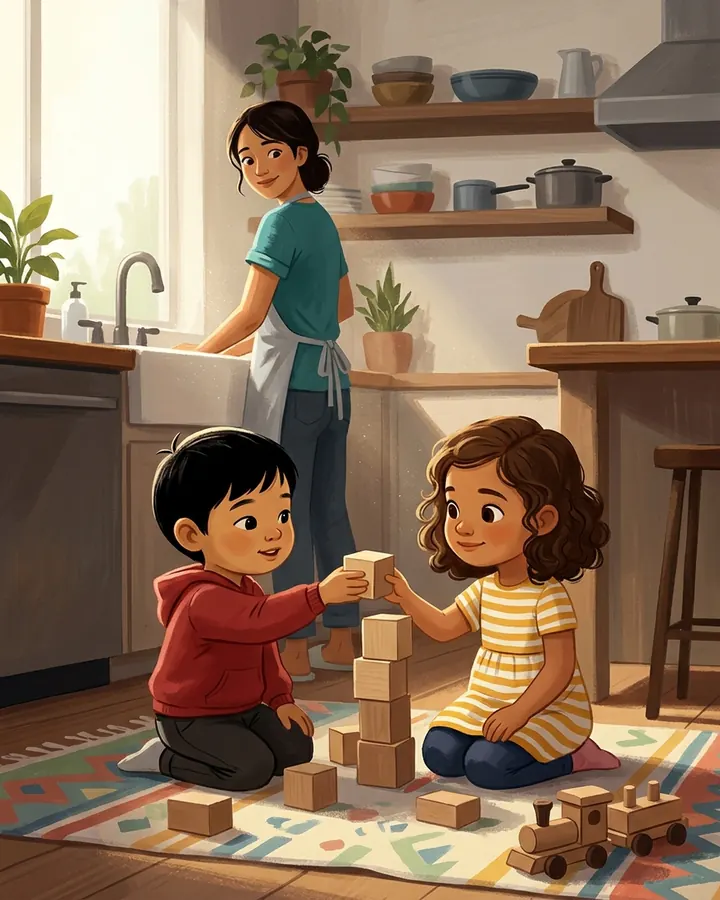
- Promise them a little toy at the shops later, for being so good.
- Call out “Good job, you two!” from the kitchen, and carry on.
- Recommended: Go over and say: “You two are taking turns so nicely!”
- Say nothing while it’s going well, so you don’t break the spell.
What the guidance says: Catch your child being good and say exactly what you liked: "You put your shoes away!" Specific praise and your attention make good behaviour happen more.
Sources: American Academy of Pediatrics, What's the Best Way to Discipline My Child? (5 Nov 2018); CDC, Tips for Using Praise and Rewards (Essentials for Parenting Toddlers and Preschoolers) (30 Apr 2026); NHS, Temper tantrums (7 Nov 2022)
15. The playdate at a friend’s house is over. Your three-year-old hides under the table and yells that they’re never leaving.
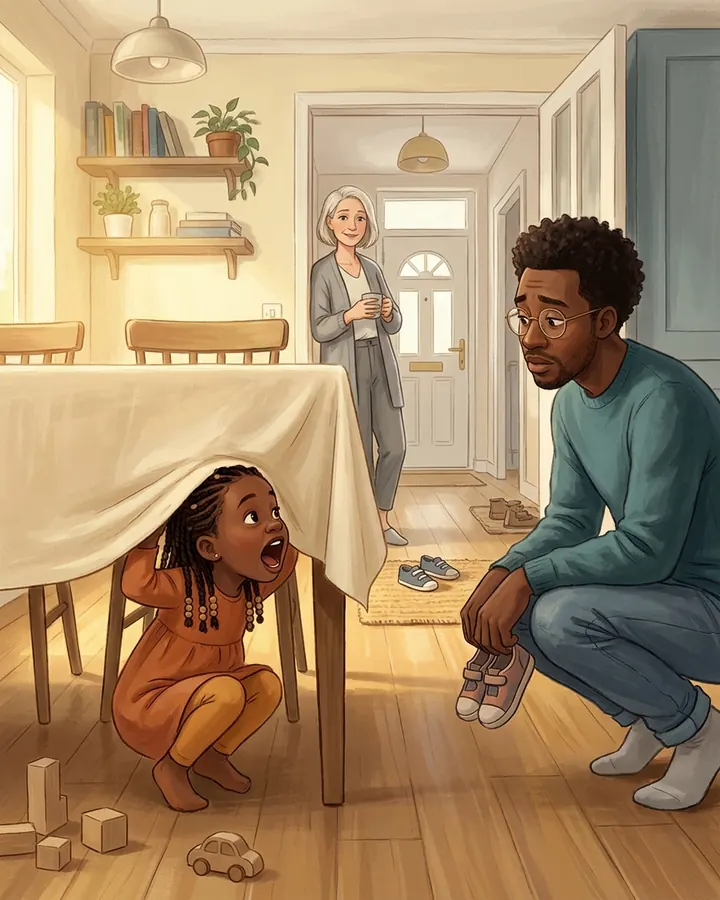
- Recommended: Say “Two minutes, then shoes on,” and when it’s up, help them out and go.
- Stay another half hour, so they calm down and leave happily later.
- Say “The police take children who don’t go home,” so they come out.
- Lift them out from under the table straight away and carry them out.
What the guidance says: Stopping something fun is hard for young children. Warn them before it is time to go, then be kind and firm: name the feeling and go. More time after a tantrum, threats and scares all backfire.
Sources: Raising Children Network (Australia), Activity changes for kids: behaviour tips (1 Oct 2024); Raising Children Network (Australia), Tantrums: why they happen and how to respond (31 Mar 2025); American Academy of Pediatrics, 10 Tips to Prevent Aggressive Behavior in Young Children (25 Oct 2023); World Health Organization, Corporal punishment of children and health (11 May 2026)
16. Your two-year-old spills juice at Grandad’s table. He shouts, “Sit still and listen when I speak!” Your child freezes, then cries.
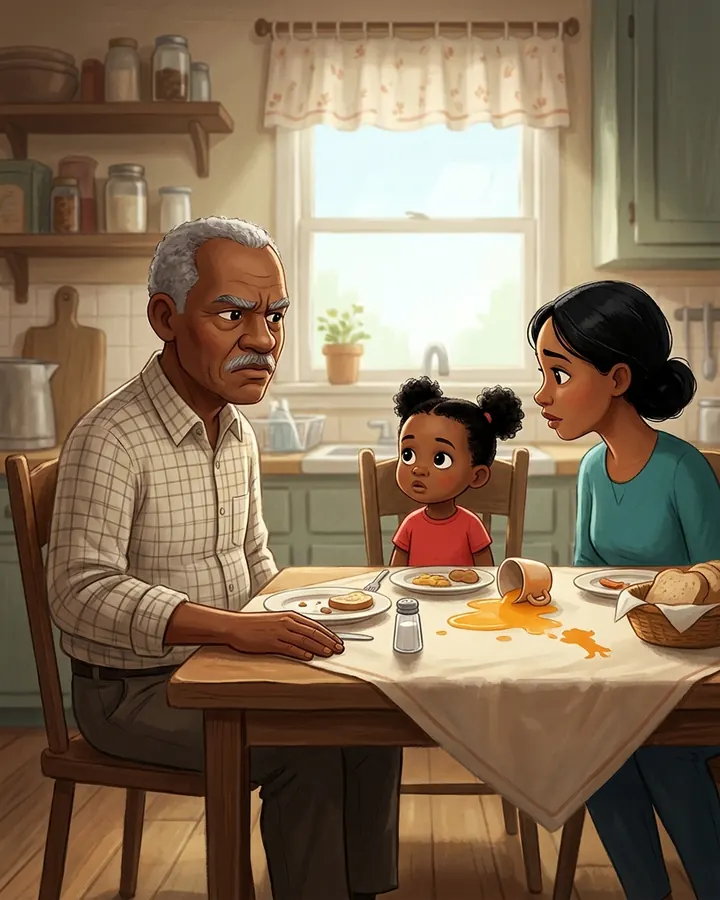
- Tell your child, “Grandad’s cross. Sit still and do as he says.”
- Recommended: Comfort your child, wipe up the juice, and raise it with Grandad later.
- Comfort your child and wipe up the juice, then let it go with Grandad.
- Say nothing, to keep the peace. Grandad raised children too, after all.
What the guidance says: Yelling at children is harmful and doesn’t work, whoever does it, and everyone who cares for a child should follow the same basic rules. So step in, and talk the rules over calmly with the relative later.
The evidence here is thinner. The pages say yelling harms children and that a family should agree basic rules together; none speaks to a parent stepping in when a relative shouts, so the steps here follow from them.
Sources: American Academy of Pediatrics, What's the Best Way to Discipline My Child? (5 Nov 2018); American Academy of Pediatrics, Tips for Grandparents of a 2-Year-Old (28 Nov 2018); Triple P (The University of Queensland), It will be grand! Team parenting for grandparents (4 Oct 2024); Cleveland Clinic, Sibling Rivalry: Causes and Tips To Handle It (1 Sep 2026)
17. On a crowded bus, your toddler screams because you won’t let them press the bell yet. People stare, and your face goes hot.
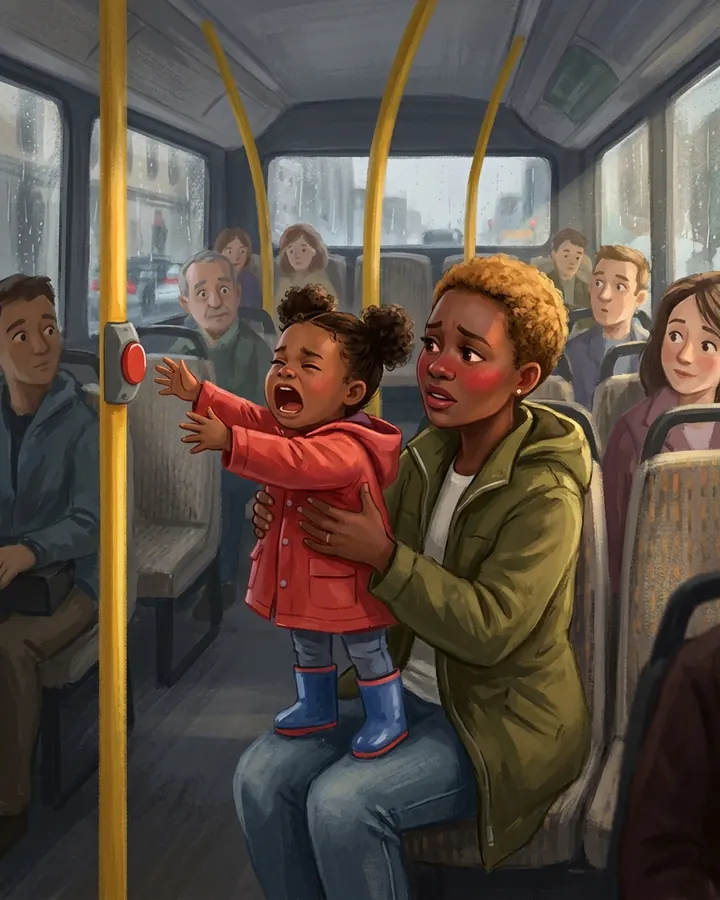
- Raise your voice so they stop at once: “Not this stop! That’s enough!”
- Let them press it, and get off a stop early to end the scene.
- Say straight away, through gritted teeth: “Not this stop. Enough.”
- Recommended: Take a slow breath first, then say, low and firm: “Not this stop.”
What the guidance says: Yelling, name-calling and shaming do not work and can harm, even from parents who are warm and loving. When you feel your temper rising, pause and calm down first, then speak quietly and firmly.
Sources: American Academy of Pediatrics, What's the Best Way to Discipline My Child? (5 Nov 2018); American Academy of Pediatrics, Effective Discipline to Raise Healthy Children (policy statement, abstract) (5 Nov 2018); CDC, Tips for Noticing and Naming Emotions (Essentials for Parenting Toddlers and Preschoolers) (30 Apr 2026)
18. At a family lunch, Grandpa gives your nephew a big present and a long hug. Your three-year-old gets a pat on the head and asks you why.
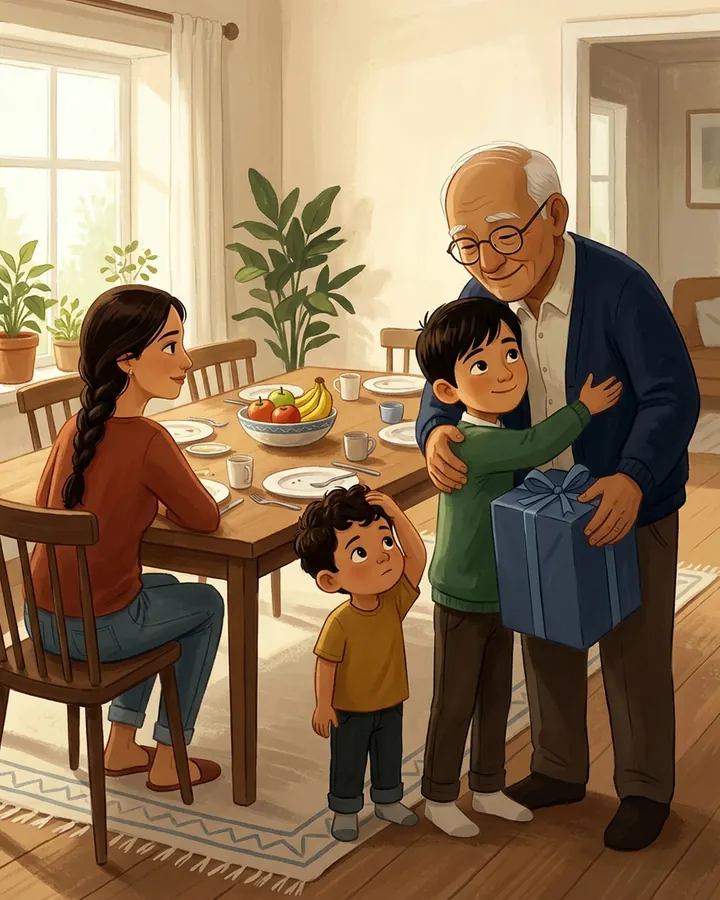
- Recommended: Hug your child, say “You’re special to me,” and speak to Grandpa later.
- Tell them, “He’s Grandpa’s first grandchild. Don’t let it bother you.”
- Tell Grandpa off at the table: “Why does he always get more than mine?”
- Give them extra cuddles at home later, and let it go with Grandpa.
What the guidance says: A child who doesn’t feel worthy is more sensitive to favouritism and comparisons. Help your child feel loved and valued with your own time and praise, and talk it over calmly with the relative later.
The evidence here is thinner. The pages speak to parents treating each child fairly, and to parents and grandparents talking calmly as a team; none speaks to a relative’s favourite directly.
Sources: Northern Territory Government (Australia), Sibling rivalry (undated page); Cleveland Clinic, Sibling Rivalry: Causes and Tips To Handle It (1 Sep 2026); Triple P (The University of Queensland), It will be grand! Team parenting for grandparents (4 Oct 2024); NHS, Temper tantrums (7 Nov 2022)
19. Bedtime with your two-year-old is different every night, and it often ends in a battle late in the evening.

- Wait until they seem tired, whatever time that turns out to be.
- Recommended: Same short routine, same time each night: bath, teeth, book, bed.
- Put a gentle show on in bed, to help them wind down and drift off.
- Tire them out with a chasing game round the house just before bed.
What the guidance says: Children sleep better with a calm, predictable routine: the same few steps at about the same time each night, such as bath, teeth, book, bed. Wind down with quiet things, not wild games.
Sources: American Academy of Pediatrics, Brush, Book, Bed: How to Structure Your Child's Nighttime Routine (2 Feb 2024); American Academy of Pediatrics, Healthy Sleep Habits: How Many Hours Does Your Child Need? (7 Aug 2026); NHS, Helping your baby to sleep (28 Jan 2025)
20. You’re driving on a busy road. Your toddler has screamed and kicked in the car seat for ten minutes, and home is a way off.
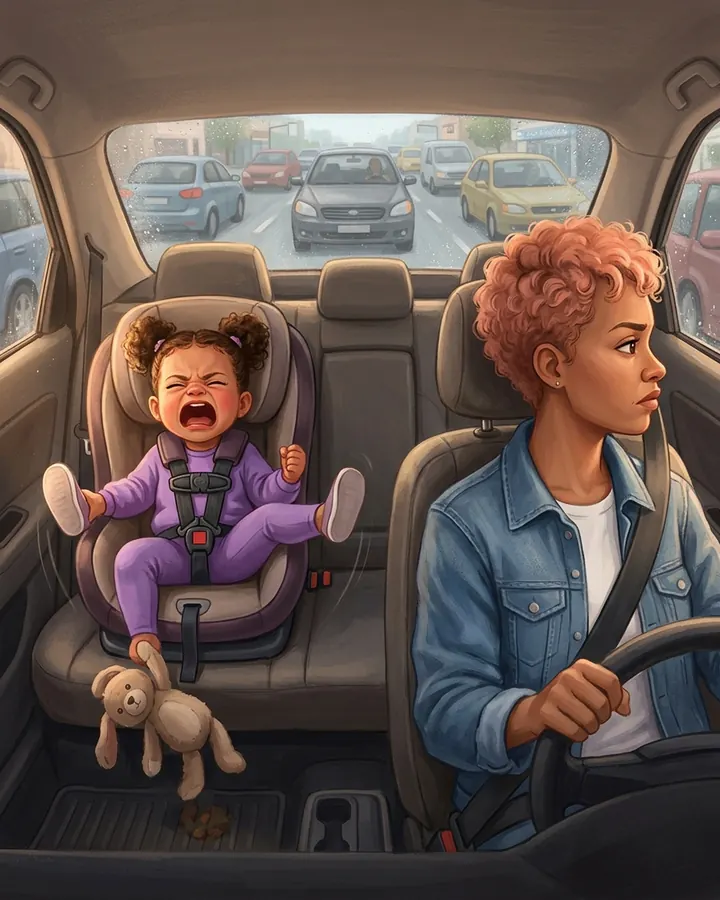
- Shout “Stop it, or I’ll leave you at the side of the road!” and drive on.
- Reach back with one hand to hold theirs and calm them, eyes on the road.
- Keep driving, and put their favourite songs on to distract them till home.
- Recommended: At the next safe spot, pull over, turn the engine off and help them calm down.
What the guidance says: Keep your eyes on the road and your hands on the wheel. If your child needs you, pull over somewhere safe and turn the engine off, then help them calm down. Never reach back while driving.
The evidence here is thinner. The pull-over advice is from Raising Children (Australia); the CDC backs eyes on the road and hands on the wheel. No study tests tantrums in the car.
Sources: Raising Children Network (Australia), How to keep kids cool, comfortable and happy in the car (17 Mar 2026); CDC, Distracted Driving (28 Jan 2026); NHS, Temper tantrums (7 Nov 2022); World Health Organization, Corporal punishment of children and health (11 May 2026)
21. At 3 am your two-year-old wakes up crying and calling for you. They say a big dog was chasing them.
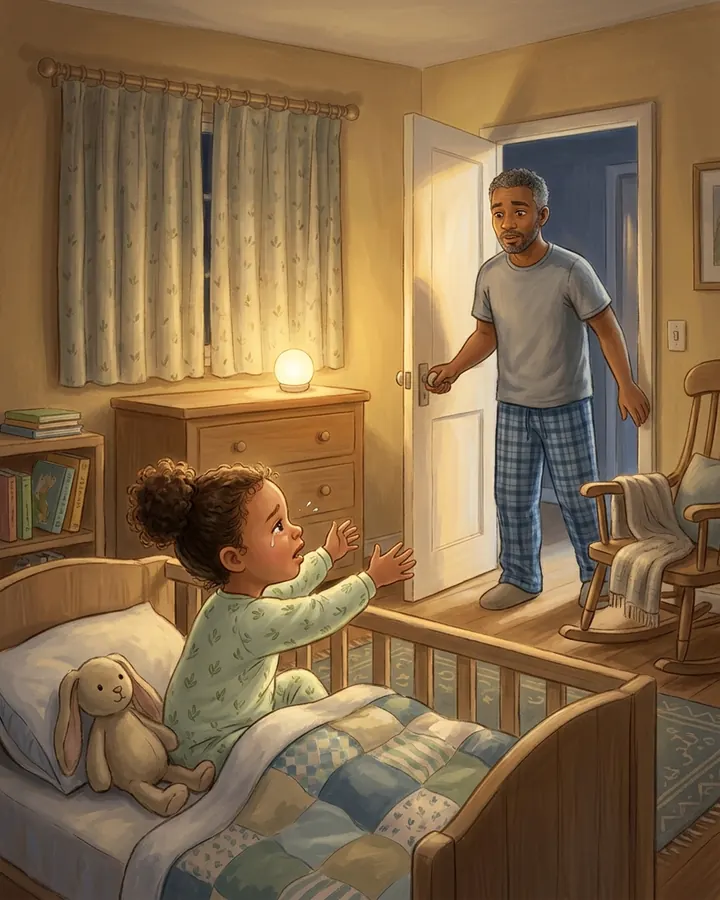
- Recommended: Go in, say “It was a bad dream, you’re safe,” and stay till they sleep.
- Wait a few minutes first, to see if they settle back down by themselves.
- Switch the hall light on and call from the door: “You’re safe, I’m here.”
- Pop in, say “It was only a dream, don’t be silly,” and head back to bed.
What the guidance says: After a nightmare a child wakes scared and needs you. Go quickly, say it was a bad dream and they are safe, and stay until they settle. Never call the fear silly: dreams can seem real to children.
Sources: American Academy of Pediatrics, Nightmares, Night Terrors & Sleepwalking in Children: How Parents Can Help (21 Sep 2023); Raising Children Network (Australia), Nightmares in children: how to handle them (22 Apr 2026); Canadian Paediatric Society, Helping children deal with their fears (Apr 2022); NHS, Night terrors and nightmares (24 Nov 2025)
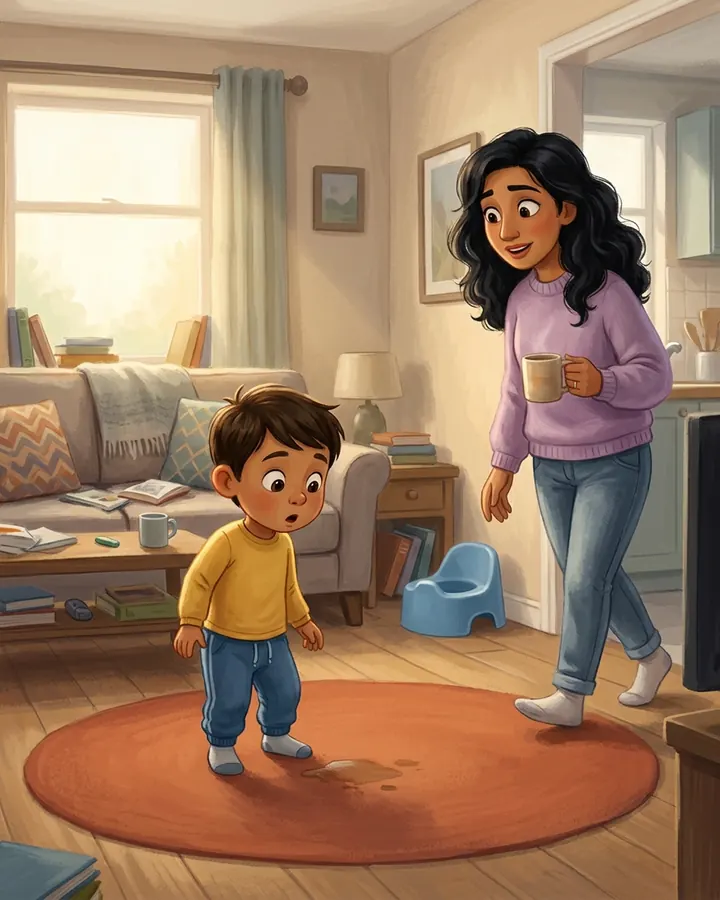
22. Your two-and-a-half-year-old has used the potty all week. Today they wet their pants on the living room rug.
- Say “I’m disappointed, you were doing so well,” and clean it up.
- Put them back in nappies for a while, and try again in a few weeks.
- Clean the rug up quickly yourself, and don’t say anything about it.
- Recommended: Say “Oops, never mind,” clean it up with them, and try the potty later.
What the guidance says: Accidents are a normal part of learning. Stay calm, clean up together and move on. Praise trying, keep it relaxed, and never punish or shame; pressure and battles make it harder.
Sources: American Academy of Pediatrics, The Right Age to Potty Train (24 May 2022); Canadian Paediatric Society, Toilet learning (Caring for Kids) (Mar 2023); NHS Best Start in Life, Potty training your child (undated page)
23. Your sister shouts at your two-year-old to stop touching her phone, louder each time, and says children must obey adults.
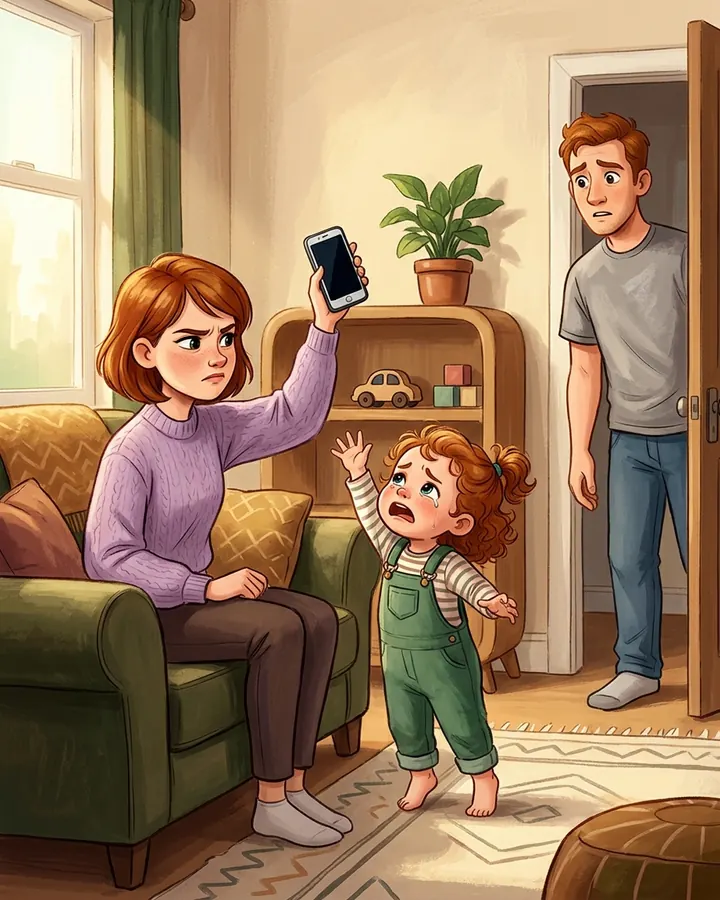
- Recommended: Move the phone, comfort your child, and talk it over with her later.
- Shout back at your sister there and then, in front of your child.
- Tell your child, “When a grown-up shouts, you do as you’re told.”
- Move the phone and comfort your child, then let it go with your sister.
What the guidance says: Yelling at children is harmful and doesn’t work, whoever does it, and everyone who cares for a child should follow the same basic rules. So step in, and talk the rules over calmly with the relative later.
The evidence here is thinner. The pages say yelling harms children and that a family should agree basic rules together; none speaks to a parent stepping in when a relative shouts, so the steps here follow from them.
Sources: American Academy of Pediatrics, What's the Best Way to Discipline My Child? (5 Nov 2018); American Academy of Pediatrics, Tips for Grandparents of a 2-Year-Old (28 Nov 2018); Triple P (The University of Queensland), It will be grand! Team parenting for grandparents (4 Oct 2024); Cleveland Clinic, Sibling Rivalry: Causes and Tips To Handle It (1 Sep 2026)
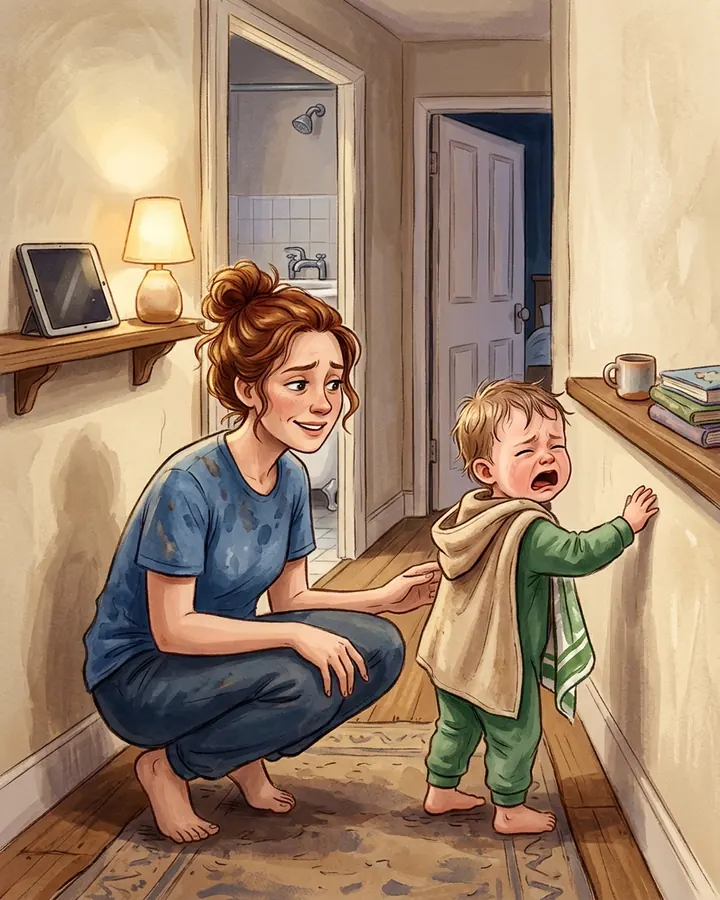
24. It is the end of a long day. Your two-year-old is crying because bath time is over, and bed is next.
- Hand them the tablet for a few minutes, until the crying stops.
- Let them take a video to bed, to help them drift off without a fuss.
- Promise them a biscuit in the morning if they stop crying now.
- Recommended: Hold them close and stay with them until they settle, then carry on.
What the guidance says: Try not to reach for a screen every time your child is upset or bored. Children learn to calm down with your help; keep screens for set times or long journeys.
The evidence here is thinner. Advice from the AAP and the Canadian Paediatric Society; few trials have tested it.
Sources: American Academy of Pediatrics, Kids & Screen Time: The 5 C's Questions to Ask for Infants (30 Apr 2024); American Academy of Pediatrics, Kids & Screen Time: 5 C's Questions for Toddlers & Preschoolers (30 Apr 2024); NHS, Temper tantrums (7 Nov 2022); Canadian Paediatric Society, Screen time and preschool children: Promoting health and development in a digital world (24 Nov 2022)
25. You said no to the sweets. Your toddler cries hard, then holds their breath and turns blue around the lips. The doctor has told you these are breath-holding spells.
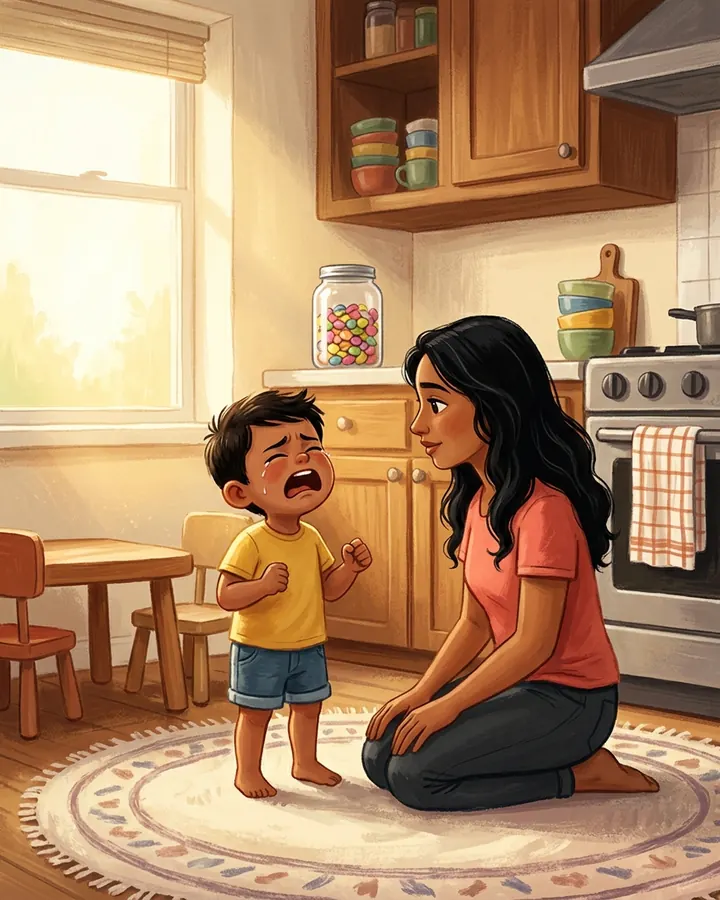
- Give them a firm shake and blow on their face to start them breathing.
- Once they breathe again, give them the sweets so it doesn’t happen again.
- Recommended: Stay calm, lay them on their side, watch, and then carry on as normal.
- Lay them on their side, then spoil them with cuddles for the rest of the day.
What the guidance says: Some toddlers cry, then hold their breath, even turning blue. It is not on purpose, and it passes. Stay calm, lay them on their side and watch. Never shake them. Afterwards, act as normal.
Sources: Raising Children Network (Australia), Breath-holding spells in children (17 Apr 2025); The Royal Children's Hospital Melbourne, Kids Health Info: Breath holding (Jul 2025)
26. At a family lunch, your three-year-old screams and throws their plate after a firm no. An uncle says, “A smack would sort that out.”
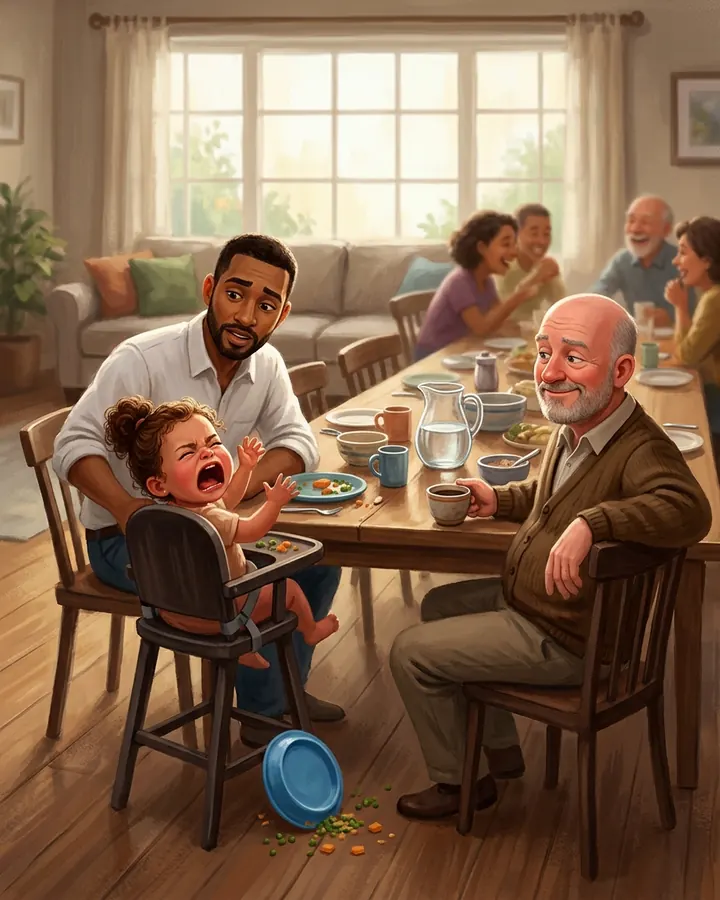
- Recommended: Lift them down, say “Plates stay on the table,” and sit with them till calm.
- Give them a quick smack on the hand. It’s how the family has always done it.
- Say “Do that again and you’ll get a smack,” so they know you mean it.
- Pick the plate up yourself and let it go, to keep things calm at the table.
What the guidance says: Smacking and other physical punishment do not improve behaviour and are linked to more aggression and other harm over time. Teach instead: clear rules, calm consequences and praise for what goes well.
Sources: American Academy of Pediatrics, Effective Discipline to Raise Healthy Children (policy statement, abstract) (5 Nov 2018); World Health Organization, Corporal punishment of children and health (11 May 2026); Canadian Paediatric Society, Relationships matter: How clinicians can support positive parenting in the early years (30 Apr 2025); American Academy of Pediatrics, What's the Best Way to Discipline My Child? (5 Nov 2018)
27. Your three-year-old hits their cousin for the second time this afternoon.
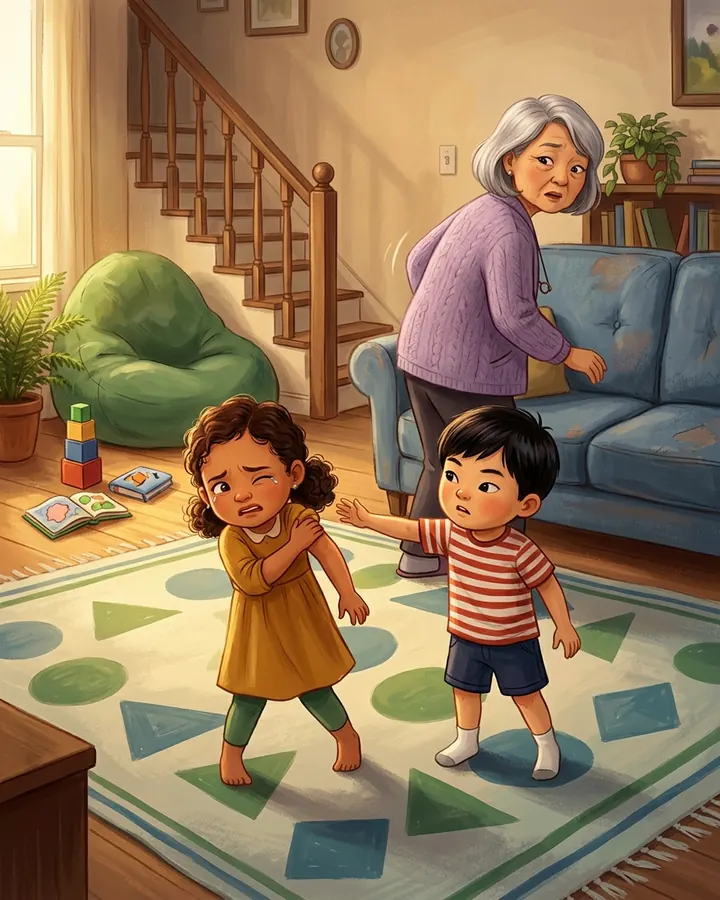
More than one good answer. The CDC sets out time-out for hitting or danger and time-in for distress; the AAP calls time-out one tool among many. Some writers say it harms attachment; a 2019 paper argues that, used well, it supports a child's well-being.
- A good answer: Ask them to take a break and come back when they’re ready.
- A good answer: Give a short, calm time-out on the step, as you warned.
- A good answer: Sit with them away from the game until they’re calm, then talk.
- A good answer: Calmly end the game with their cousin for now.
What the guidance says: Both can work. A short, calm time-out suits hitting or danger; time-in, staying close while your child calms down, suits a meltdown. What matters is staying calm and never frightening or hurting them.
Sources: CDC, How to Use Time-In (Essentials for Parenting Toddlers and Preschoolers) (30 Apr 2026); American Academy of Pediatrics, What's the Best Way to Discipline My Child? (5 Nov 2018); American Psychologist (Dadds and Tully), What is it to discipline a child: what should it be? A reanalysis of time-out (25 Feb 2019); CDC, How to Use Time-Out (Essentials for Parenting Toddlers and Preschoolers) (30 Apr 2026)
General guidance from the bodies named, not medical advice. For your own child, ask your doctor or health visitor.
How the result works
- Your points: each moment is worth up to 10: 10 for what the guidance recommends, 7 for reasonable, 3 for common but often backfires, 0 for what the guidance says not to do. A moment you skip scores 0.
- Your percentage: your points out of the most you could score, so ten moments at 10 each make 100%.
- The moments you skipped: each with what the guidance recommends, so you still see what helps.
- You already do: the moments you answered as the guidance recommends.
- Worth trying this week: one or two small steps, each with its source.
- Your style, in one line: whether your answers lean warm, firm, both, or a mix.
Where the answers come from
Every answer is scored against public guidance from health and paediatric bodies, and each one links to the page it comes from, with the date printed on that page. Where the bodies disagree, the moment is not scored: it shows “more than one good answer”. Where the evidence is thinner (expert advice or small studies), the answer says so.
Most moments are painted; some show their four choices as words instead.
No doctor or psychologist has checked the quiz; the sources are there so you can read them yourself. General guidance from the bodies named, not medical advice. For your own child, ask your doctor or health visitor.
Questions
Who decides the scores?
The guidance does. Each answer is scored against what public bodies such as the NHS, the American Academy of Pediatrics and the CDC say, and every answer links to its source with the page’s date.
Has a doctor checked this quiz?
No. We wrote it from the published guidance and link every answer to the page it comes from, so you can read it yourself.
Is this medical advice?
No. It is general guidance from the bodies named. For your own child, ask your doctor or health visitor.
What happens to my answers?
They stay on this device. On a quiz a friend shared, only the points per question are sent, with no name and no answers, so the maker sees how friends did.
Why are some topics not scored?
Where the guidance bodies disagree, such as time-outs or sleep training, we show “more than one good answer” instead of a score.
How does making your own work?
Type a few moments and our AI writes the questions from our checked guidance. You choose which to keep, then share a link. Scores still come from the guidance.
Is it free?
Yes. Taking and sharing the quizzes is free with no sign-up. Making your own is one a day without an account and five a day with a free one.
Your answers stay on this device: the quiz is scored in your browser and nothing you pick is sent.
Explore storybooks: free illustrated storybooks in your family's language.
Enable JavaScript to take the quiz.