Free social story maker
A social story for sharing toys
Type a name, pick what is coming up, and read it together with real-place pictures. Listen, print, or save a PDF. Free, no account.
Sam shares their toys
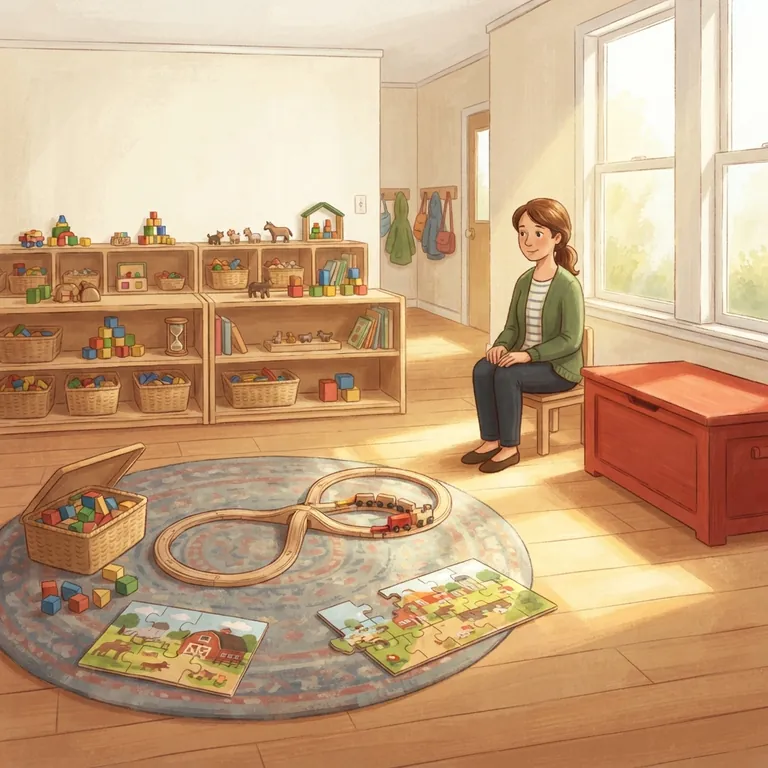
My name is Sam.
When I play with friends, we often share toys.

Sharing means taking turns with the same toy.
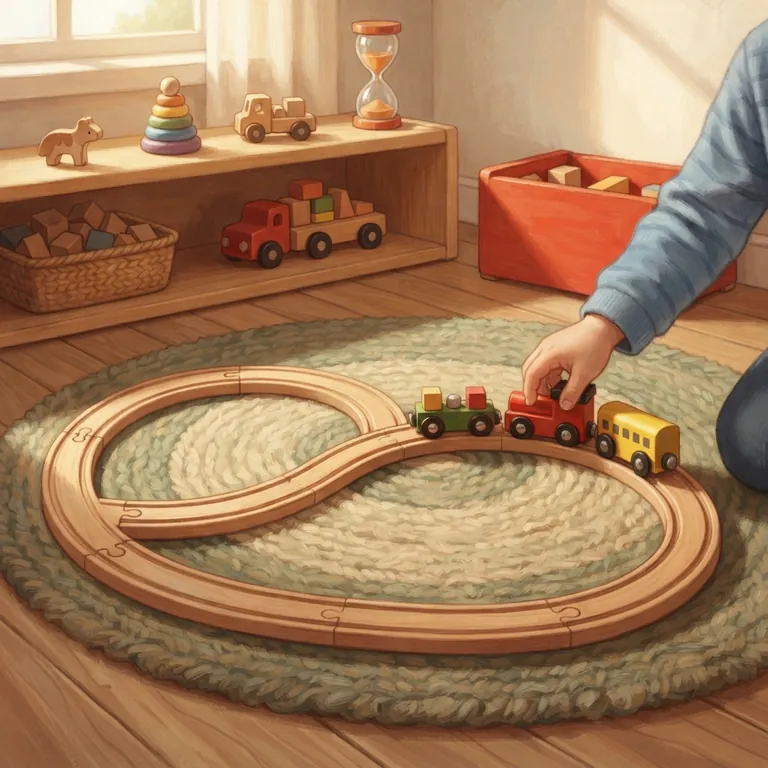
Sometimes a friend wants the toy I am using.
It can feel hard to hand over a toy I like.
My friend feels happy when they get a turn.
I usually get the toy back after my friend’s turn.
I can try saying, “You can have it when I am done.”
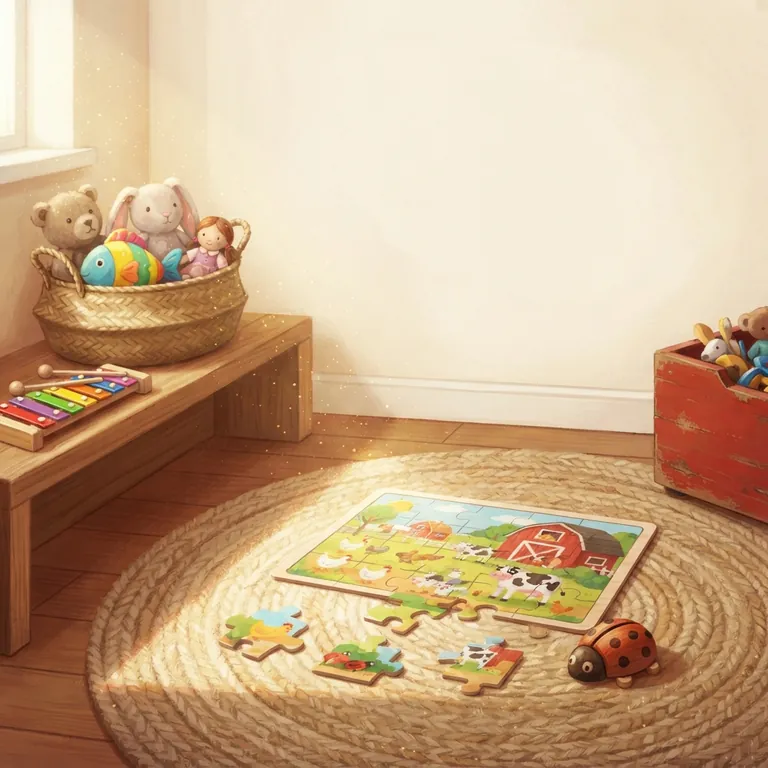
There are other toys to play with while I wait.
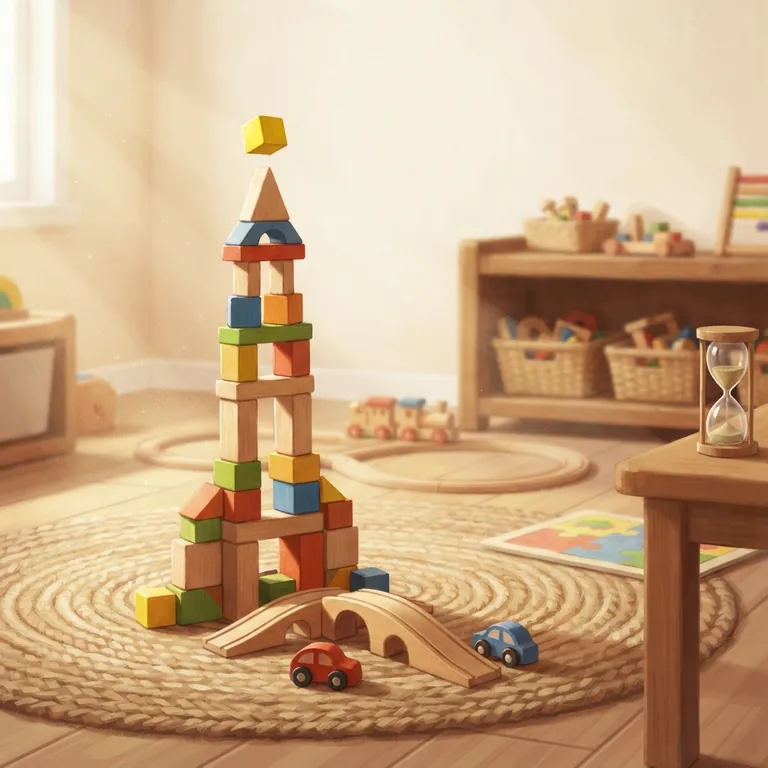
Taking turns helps everyone have fun together.
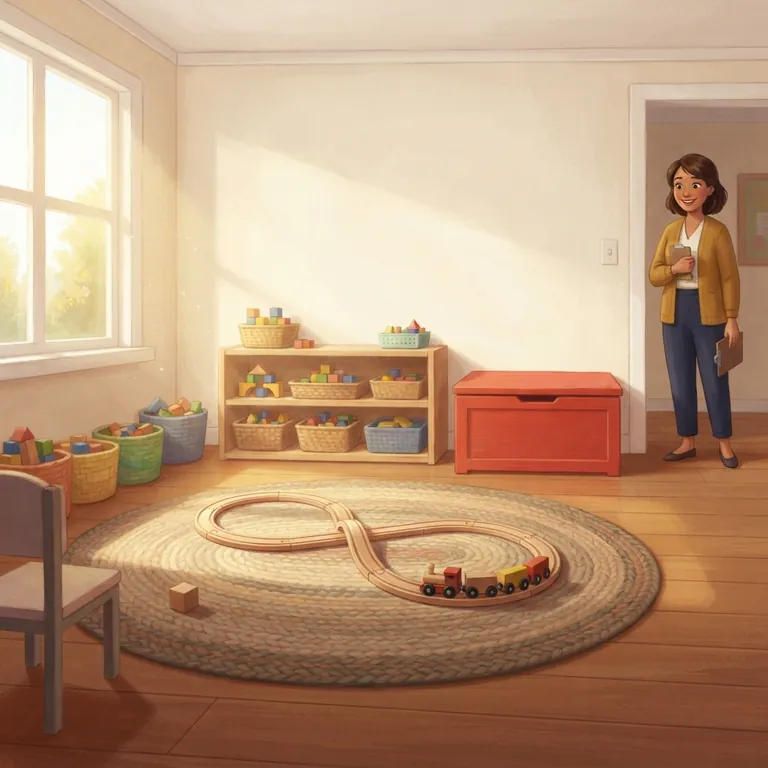
Sharing is a kind thing, and I am learning to do it.
10 describing · 1 coaching · written to the 2023 formula. A social narrative should describe far more than it directs: at least four describing sentences for every coaching one, and at most one sentence that coaches your child (Carol Gray’s 2023 criteria).
How to read it together
- Read it calmly before the event. A day or two ahead works well, somewhere quiet. Point to each picture as you read; let your child hold the phone or turn the pages.
- Read it more than once. Many families and teachers read a social story several times before the day comes, and again on the day. Repetition is the point, not a sign it did not work.
- Let your child add a sentence. Ask, “What else happens?” or “What could you try?” Add their sentence under Edit the words: a line in their own words makes the story theirs.
- After the day, make the applause story. At least half of the stories a child hears should celebrate. Afterwards, read an applause story: the same place, told in the past tense, praising what your child did.
What is a social story?
A social story is a short social narrative, told in the first person, that walks a child through a situation in calm, literal sentences: what usually happens, who is there, how people feel, and one thing the child can try. This maker writes one for your child’s name and situation instantly, as a little book with a picture of the real place on every page.
Questions parents and teachers ask
What is a social story?
A short, first-person social narrative that describes one situation in plain, literal sentences: what usually happens, who is there, how people tend to feel, and one thing the child can try. It is read before the situation, calmly, so the day feels familiar when it comes.
Who are social stories for?
Many families and teachers use social stories to prepare children for new situations: autistic children, children who feel anxious about change, and very young children meeting something for the first time. They are a gentle preparation tool, not a treatment, and they sit alongside whatever support your child already has.
How is a social story written?
The sentences do different jobs. Most describe: what happens, who is there, how people feel. One gently coaches: a single “I can try” sentence. Carol Gray’s 2023 criteria ask for at least four describing sentences for every coaching sentence, and this maker writes to that: first person, present tense, “usually” and “sometimes” instead of “always”, one coaching sentence, and a calm last line. The badge under the book shows the count for your story.
Is this free, and do I need an account?
Yes, it is free, and no account is needed. The book is built on your device from tested templates and a library of real-place pictures; nothing you type is sent anywhere. Listening, printing, the PDF and the link are free too.
Can I print it, save a PDF, or have it read aloud?
Yes. Print gives a title page and then each sentence on a card with its picture, three to a page. PDF opens the same pages ready to save. Listen reads the book with your device’s voice, highlights each sentence, and turns the pages. Link copies an address that rebuilds the same book, including your changes to the words.
Can my child be in the pictures?
The pictures here show the real place, so the room, the people and the things in it look familiar on the day. If you would like your child painted into every page, the paint-in step under the book does that from this story, keeping your words exactly.
All 16 situations
Each one has its own pages of the real place: the room, the people, the things you will see.
 First day of school: A new classroom, a new teacher, and new friends.
 Going to the dentist: The big chair, the tiny mirror, and counting teeth.
 Getting a haircut: The cape, the spray bottle, and the snip-snip.
 Doctor visit: The waiting room, the stethoscope, and the check-up.
 New baby: A tiny new family member who cries and sleeps a lot.
 Sharing toys: Taking turns, waiting, and playing together.
 Loud noises: Vacuums, sirens, and hand dryers that stop soon.
 Trying new foods: A new food on the plate and one tiny bite.
 Washing hands: Wet, soap, scrub, rinse, dry.
 Bedtime: Pajamas, teeth, a story, and a cozy bed.
 Saying goodbye at drop-off: A short goodbye and a hello that comes back.
 Waiting my turn: Lines, games, and the turn that is coming.
 Big feelings: Anger, sadness, and ways to feel calm again.
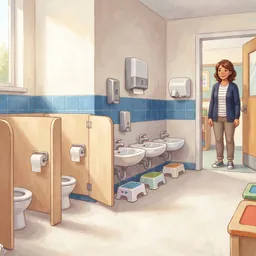 Using the toilet: Sitting, wiping, flushing, and washing hands.
 Moving to a new home: Boxes, a truck, and a new room to set up.
 Flying on a plane: The airport, the seatbelt, and the big whoosh.
Social Stories™ is a trademark of Carol Gray. Little Storybook is not affiliated.