Why did people start wearing shoes?
The child will understand that people began wearing shoes mainly to protect their feet from cold and rough ground, and that ancient shoes and foot bones provide evidence of when footwear appeared.
Ages 8-10 - 2 minute lesson - curious - EN
Reviewed for child-safety · gentle by design · How our stories are made
Published 2026-07-21T10:22:51.065916
Quick answer
The child will understand that people began wearing shoes mainly to protect their feet from cold and rough ground, and that ancient shoes and foot bones provide evidence of when footwear appeared.
Lesson
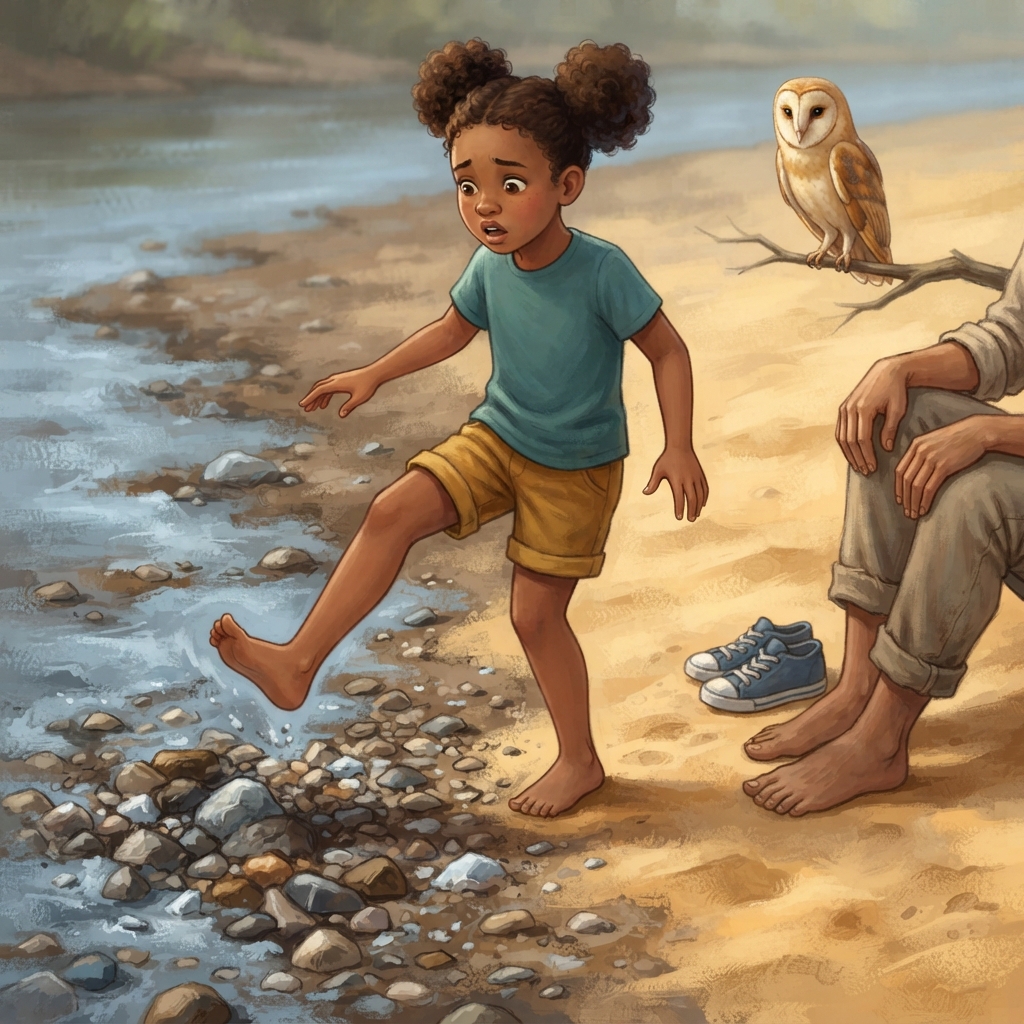
Bare feet can feel every part of the ground. Warm sand may feel soft—but sharp pebbles can hurt, and cold mud can chill your toes. Long ago, people faced the same problem: how could they protect their feet?
In cold places, early people could wrap their feet in soft hide and tie it securely with cord. The covering helped hold in warmth and kept frost, stones, and rough ground away from their skin. These simple wrappings were early shoes.
Most very old shoes rotted away, so scientists also study foot bones. In some ancient skeletons, the smaller toe bones became more slender while the leg bones stayed strong. This is a clue—not perfect proof—that supportive footwear was being used tens of thousands of years ago.
Sometimes an actual shoe survives. In a dry cave in Armenia, archaeologists found a wrinkled leather shoe more than 5,000 years old. It was shaped around a foot and tightened with a leather lace. The dry cave helped preserve this rare piece of evidence.
As people travelled and built communities, shoes changed to suit different places. Open sandals kept feet protected in hot, dry streets. Sturdy tied boots covered more of the foot on cold, rocky paths. The shapes differed, but protection remained the main idea.
Today, shoes use many new materials and designs, but they still do an ancient job. The girl ties her sneakers and crosses the pebbles comfortably, with a strong sole between her feet and the ground. Shoes are one of humanity’s oldest inventions—and people are still improving them.
Lesson scenes
Bare feet need protection
Bare feet can feel every part of the ground. Warm sand may feel soft—but sharp pebbles can hurt, and cold mud can chill your toes. Long ago, people faced the same problem: how could they protect their feet?
Warm wraps for rough journeys
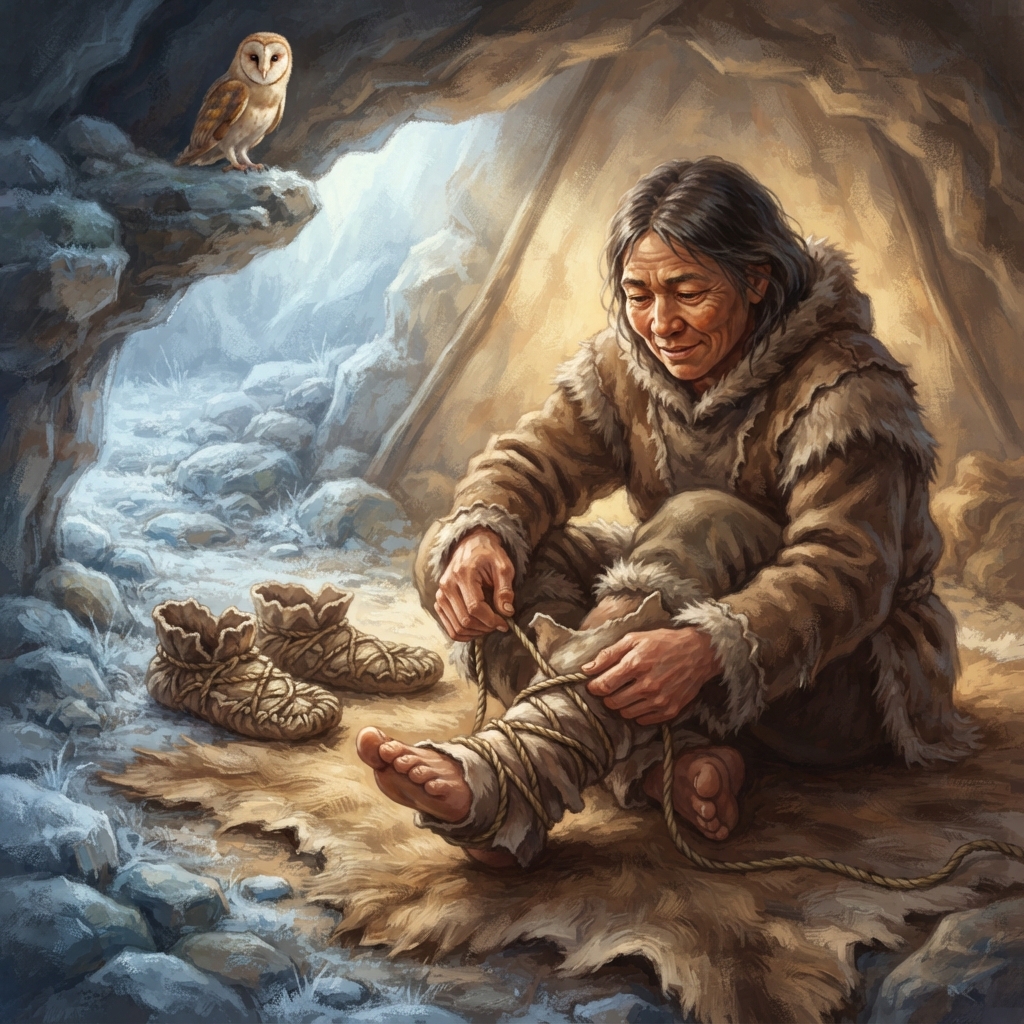
In cold places, early people could wrap their feet in soft hide and tie it securely with cord. The covering helped hold in warmth and kept frost, stones, and rough ground away from their skin. These simple wrappings were early shoes.
Feet reveal a hidden history
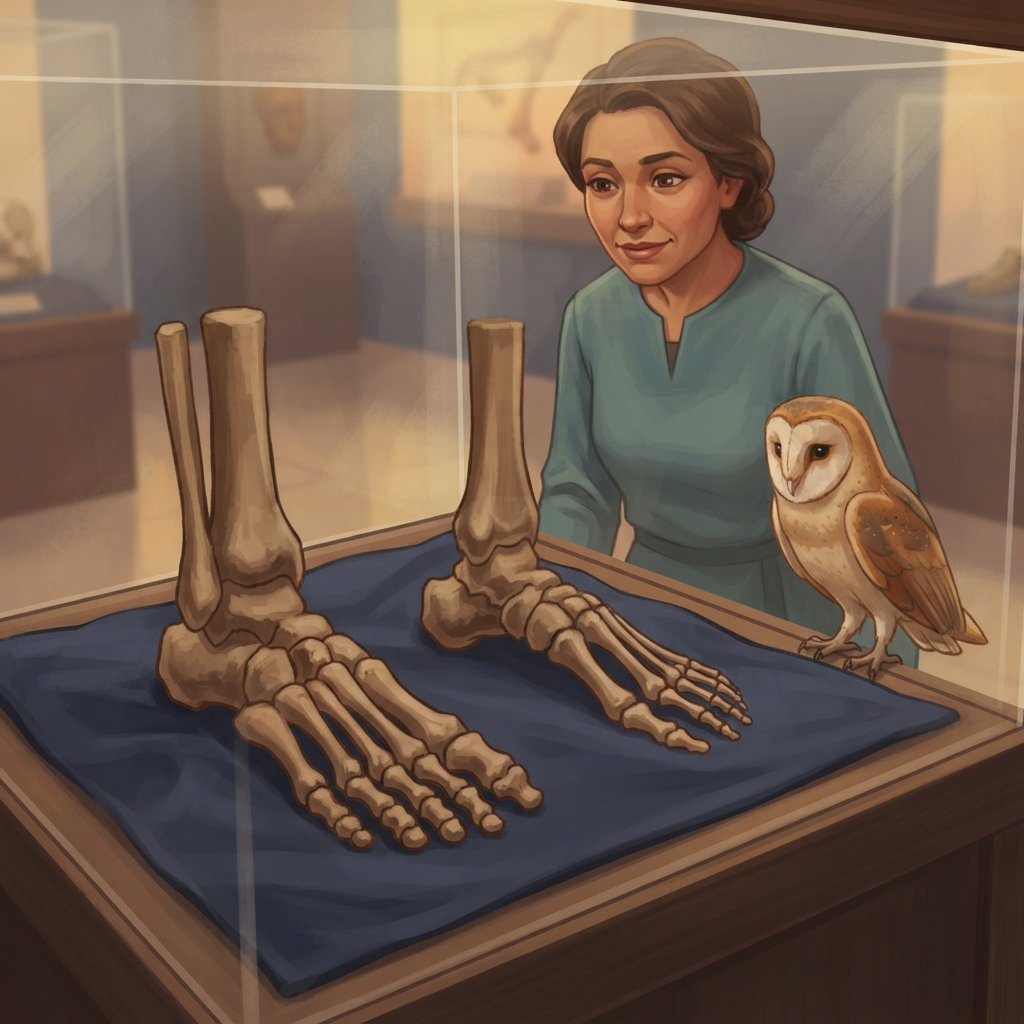
Most very old shoes rotted away, so scientists also study foot bones. In some ancient skeletons, the smaller toe bones became more slender while the leg bones stayed strong. This is a clue—not perfect proof—that supportive footwear was being used tens of thousands of years ago.
Leather preserved in a cave
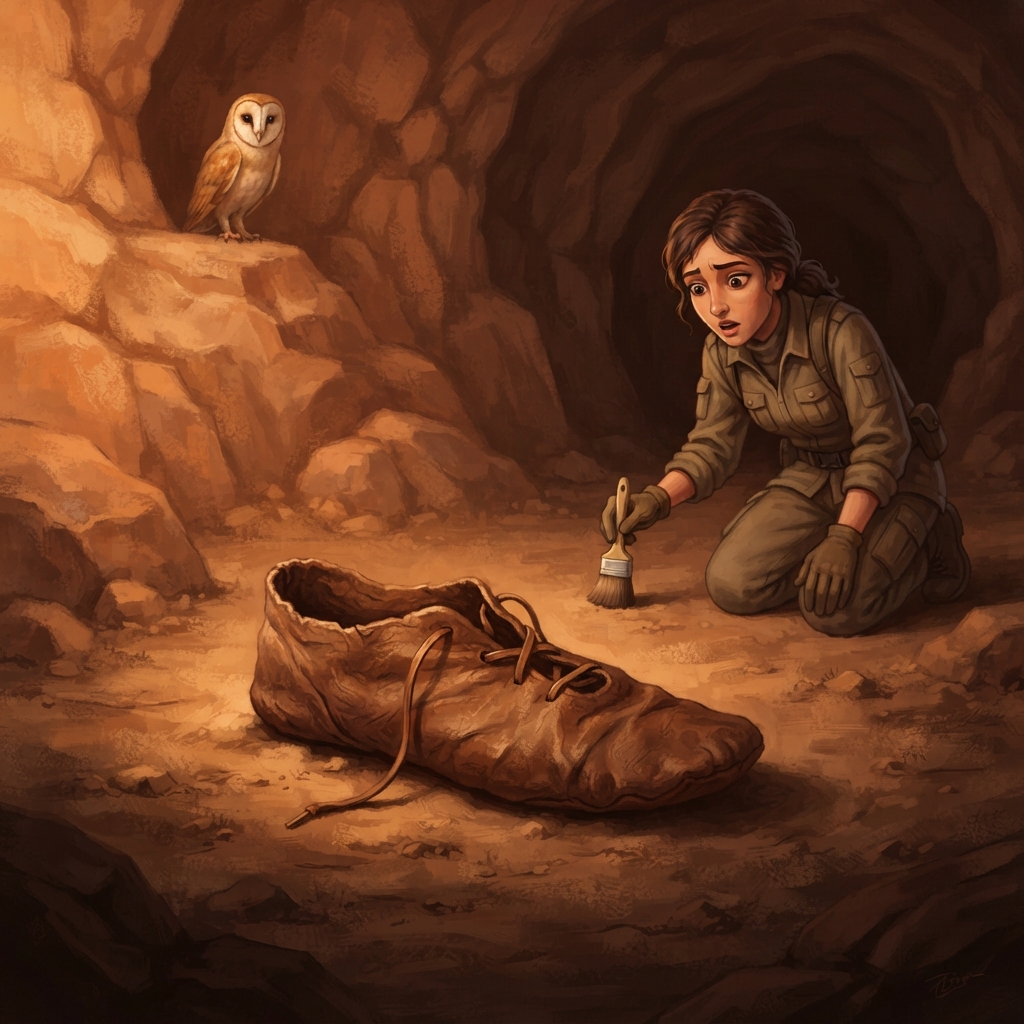
Sometimes an actual shoe survives. In a dry cave in Armenia, archaeologists found a wrinkled leather shoe more than 5,000 years old. It was shaped around a foot and tightened with a leather lace. The dry cave helped preserve this rare piece of evidence.
Different ground, different shoes
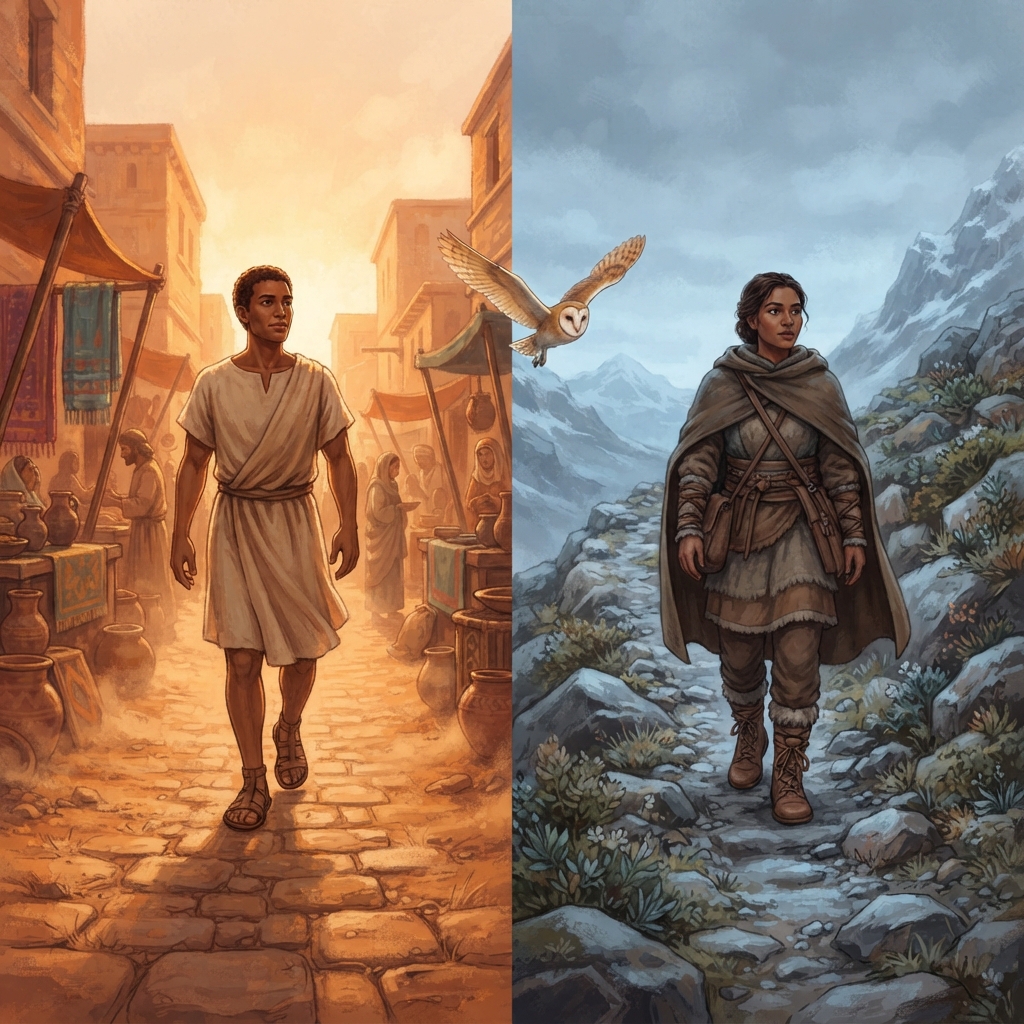
As people travelled and built communities, shoes changed to suit different places. Open sandals kept feet protected in hot, dry streets. Sturdy tied boots covered more of the foot on cold, rocky paths. The shapes differed, but protection remained the main idea.
The same protection continues
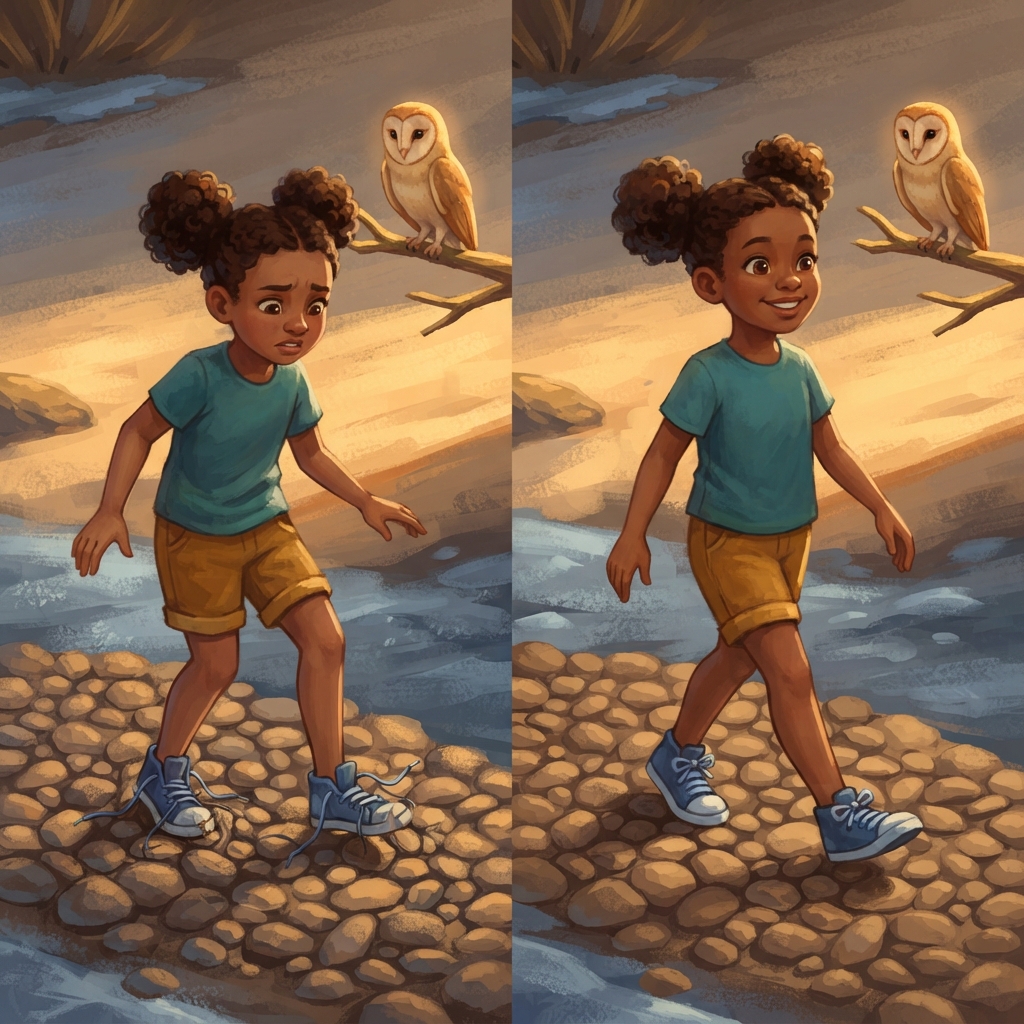
Today, shoes use many new materials and designs, but they still do an ancient job. The girl ties her sneakers and crosses the pebbles comfortably, with a strong sole between her feet and the ground. Shoes are one of humanity’s oldest inventions—and people are still improving them.
Key takeaways
- Bare feet need protection
- Warm wraps for rough journeys
- Feet reveal a hidden history
Mini quiz
- Why did early people begin covering their feet?
- Why do scientists study ancient foot bones?
- Why were sandals and sturdy boots shaped differently?
Common questions
What will kids learn in Why did people start wearing shoes??
The child will understand that people began wearing shoes mainly to protect their feet from cold and rough ground, and that ancient shoes and foot bones provide evidence of when footwear appeared.
Read-together tip
Early math is easiest when children can point, count, sort, compare, measure, and spot what changed.